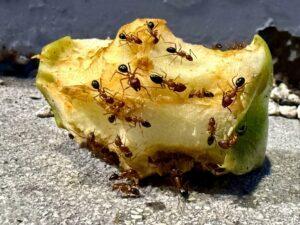
Small Honey Ants in South Florida
Prenolepis imparis
Pest Stats

Color
Dark brown to black

Size
2.5–4 mm

Shape
Slender, segmented body with small, rounded head

Region
Common throughout South Florida, especially in warm, humid areas

What Are Small Honey Ants in South Florida?
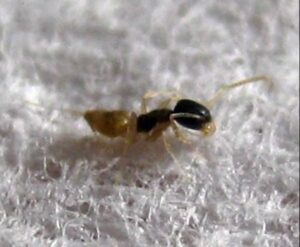
Photo by Melissa McMasters, licensed under CC BY 2.0.
How to Identify Small Honey Ants in South Florida
Identifying Small Honey Ants in South Florida can be challenging due to their tiny size and resemblance to other dark-colored ants. However, they have some distinct characteristics:
- Color: Dark brown to black
- Size: 2.5 - 4 mm, smaller than most other ants
- Antennae: Elbowed with 12 segments
- Body Shape: Slender with a one-node waist and small, rounded head
Because they are so small, they can easily enter homes through tiny cracks and gaps, often forming trails to food sources in kitchens and pantries.
Ants That Look Like Small Honey Ants
Are Small Honey Ants Common in Port St. Lucie and Nearby Areas?
- Indoors: Inside wall voids, under sinks, in kitchens, and bathrooms
- Outdoors: Beneath stones, mulch, and leaf litter
- Entry Points: Cracks in foundations, window frames, and door seals
Moreover, they often nest in soil that remains cool and damp, allowing them to survive even in hot South Florida weather.
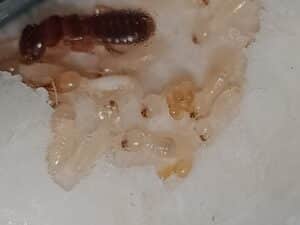
Photo by Christina Butler, licensed under CC BY 2.0.
What Do Small Honey Ants Eat?
- Honey, syrup, and sugary spills
- Fruit juices and soft drinks
- Grease and food crumbs
- Dead insects and plant secretions
Additionally, they are known to forage indoors for sugary substances, especially in kitchens and pantries where food is easily accessible.
Are Small Honey Ants Dangerous in South Florida?
Small honey ants are considered nuisance pests rather than dangerous insects.
They do not:
- Bite aggressively
- Cause structural damage
- Spread disease in the way some pests can
Their primary concern is food contamination and the annoyance of repeated sightings. Because colonies are usually small, early prevention is highly effective.
What Attracts Small Honey Ants to Your Home?
Sugary Foods and Residue
Crumbs, juice spills, syrup, fruit, and pet food provide quick energy sources. Even tiny amounts left on counters or floors can attract foraging ants.
Moisture and Humidity
Condensation, leaks, damp soil near foundations, and over-irrigated landscaping create favorable conditions for trails and nesting nearby.
Outdoor Landscaping Conditions
Mulch beds, stones, decorative borders, and dense vegetation offer protected nesting sites close to the structure.
Entry Points
Small gaps around doors, windows, utility lines, or foundation seams allow ants to explore indoor spaces.
Tired of Small Honey Ants in South Florida?
If you're seeing small ants swarming your kitchen or pantry, it’s time to act. At Wise House Pest Control, we help families and businesses across Palm Beach, Martin, and Port St. Lucie counties stop small honey ants before they take over.
5 Ways to Keep Small Honey Ants Out of Your Yard
Following these tips for both inside and outside your home can help prevent Small Honey Ants from becoming a nuisance. If they’re still persistent, Wise House Pest Control is ready to provide professional support and keep your home ant-free.
Clear Organic Debris
Remove leaves, mulch, and wood piles where ants may nest.
Trim Back Vegetation
Keep shrubs and plants away from the foundation to reduce ant access.
Inspect Outdoor Structures
Check patios, decks, and sheds for potential nesting sites.
Control Aphids and Garden Pests
Aphids produce honeydew, a major food source for small honey ants.
Apply Perimeter Treatments
Target known entry points with ant control products or call a pest control professional.
Our Customers Love Us!
See What They Are Saying
- Michael C.
- John U
- Benjamin N.
- Bob G.
- Aaron C.

Dedicated To Being The Pest Control Company You Can Rely On
Request a professional estimate!
Request a Profesional Ant Quote!
Get an estimate!
Wise House News Flash
Learn Tips and Tricks to Keep Your Family and Pets Safer
Have Questions? We've Got Answers
Ant Control Services FAQ
What are small honey ants?
Are small honey ants common in Port St. Lucie and Stuart?
Yes. Warm temperatures and humidity in Port St. Lucie and Stuart create ideal conditions for honey ant colonies to grow and enter homes throughout the year.
Why do honey ants keep coming back after DIY treatment?
Are small honey ants dangerous to people or pets?
What attracts honey ants inside homes in South Florida?
How do professionals eliminate honey ant infestations?
Is honey ant treatment safe for children and pets?
Do you provide service outside Port St. Lucie?
Yes. Service is available across South Florida, including Boynton Beach and nearby communities.
How quickly will I see results after treatment?
Ant activity often drops within a few days, while full colony elimination depends on infestation size and nesting location.