Argentine Ant

Linepithema humile

Pest Stats

Owl logo

Color

Light to dark brown​

Owl logo

Size

Workers are approximately 2.2–2.6 mm in length​

Owl logo

Shape

Slender body with a single-node petiole and long legs​

Owl logo

Region

Native to South America; invasive in many regions worldwide, including parts of the United States, Europe, etc.


What is Argentine Ant?

Argentine Ants are an invasive ant species originating from South America. Known for forming extensive colonies with multiple queens, they can adapt to diverse environments, making them formidable pests in both urban and agricultural settings.

How Does Argentine Ant Look Like?

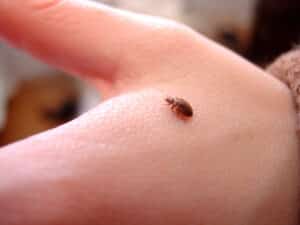
Argentine Ants are small, measuring about 2.2–2.6 mm in length. They exhibit a uniform light to dark brown coloration. Their bodies are slender with a single-node petiole connecting the thorax and abdomen. Notably, they lack a stinger but can bite when threatened. Their antennae are segmented, and they have relatively long legs compared to their body size.

Similar Ants

Biology of Argentine Ant

Argentine Ants form massive supercolonies with multiple queens and millions of workers, making eradication difficult. They reproduce through budding, rapidly expanding across environments. Nesting in soil, mulch, wall voids, and potted plants, they lack central mounds and are hard to detect. Queens lay hundreds of eggs monthly, fueling fast population growth. Active year-round without hibernating, they migrate indoors during unfavorable weather, seeking food, water, and shelter, making them highly persistent pests.

Habits, Behaviors, Threats, and Dangers of Argentine Ant

Argentine Ants aggressively displace native species, disrupting ecosystems by eliminating ants crucial for pollination, seed dispersal, and pest control. They follow chemical trails to food, feeding on honeydew from aphids and protecting these pests, causing crop damage. They also consume proteins, fats, and dead insects. These ants invade homes seeking moisture and food, infesting kitchens, pantries, and garbage areas. While bites are mild, they nest in electrical equipment—circuit breakers, HVAC units—causing short circuits and costly repairs. Their rapid spread, ecological impact, and structural damage make them highly invasive pests.

5 Ways to Prevent Argentine Ants in Your Home

Preventing and eliminating Argentine Ants requires a combination of exclusion, habitat modification, and professional treatments. But if you’re still seeing signs of these ants, the professionals at Wise House Pest Control are just a call away.

Eliminate Moisture and Wood Decay

Fix leaks, improve ventilation, and remove rotting wood or damp structural elements.

Seal Entry Points

Use caulk, weather stripping, and mesh screens to block small cracks and gaps.

Trim Vegetation

Keep trees, shrubs, and mulch away from the home’s foundation to prevent access.

Reduce Food Sources

Store food in sealed containers, wipe down counters, and clean up spills.

Use Professional Pest Control

Since Argentine Ants can have hidden satellite nests, professional pest control services are the most effective solution for complete elimination.

Need Help Getting Rid of Argentine Ants?

If you suspect an Argentine Ant infestation, contact a licensed pest control expert for inspection and treatment to prevent structural damage and keep your home protected.

Contact Wise House Pest Control at 1-800-283-1559 for more information and a free quote on ant control services.

5 Ways To Keep Argentine Ants Out Of Your Home

Following these tips can help prevent Argentine Ants from becoming a problem. If they’re still persistent, Wise House Pest Control is ready to provide professional support and keep your home ant-free.

Store Food Properly

Ants are highly attracted to food inside the home. Keep food stored in airtight containers, clean up crumbs or spills immediately, and regularly empty trash bins with food waste.

Clean Regularly

Ants are resourceful and will find even the smallest bits of food. Regularly sweep, and wipe down countertops, especially in the kitchen and dining areas, to remove potential food sources. Pay attention to corners and crevices.

Reduce Moisture

Fix leaks and eliminate damp areas to remove the moisture that Argentine Ants seek out. Repair dripping faucets, leaky roofs, or poor drainage, and replace any damp or rotting wood.

Seal Cracks and Gaps Indoors

Just as with the exterior, inspect your home’s interior for small cracks or gaps where ants could enter. Seal any visible openings, especially around windows, door frames, baseboards, and along the edges of cabinets.

Don’t Leave Pet Food Out Overnight

If you have pets, avoid leaving their food out overnight. Ants are attracted to pet food, so clean up any leftover food, or place pet dishes in a shallow tray of water to create a barrier.

Our Customers Love Us!

See What They Are Saying

Wise House reviews - 5-star pest control testimonial
“Wise House came highly recommended and they lived up to the accolades. Customer service, professionalisms, punctuality and the use of environmentally friendly products are on point. Dennis and Robert did an amazing job.”


- Michael C.
"Robert the technician that comes out has been great. Since we have a dog and two cats, we like that the products are pet safe. Very pleased!”

- John U
“Dennis was very professional and knowledgeable! I am very happy with Wise House and will now only use them for my pest protection! Five stars all around for Wise House Environmental Services.”

- Benjamin N.
“Robert is an extremely professional and knowledgeable technician. Did a great job inside with the active pests and awesome prevention as well as the outside. Highly recommend this company and especially Robert as the technician!”

- Bob G.
“He surveyed the entire property and used products that I felt would be safe and effective at getting rid of ants and other insects. I would definitely recommend Wise House, especially if you want effective pest control without all the toxins associated wit”

- Aaron C.
Bug-Logo

Dedicated To Being The Pest Control Company You Can Rely On

Request a professional estimate!
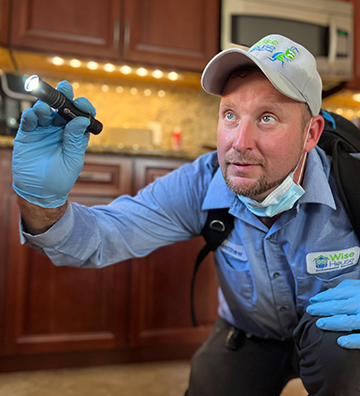
Flashlight Inspection Pic
ant control services technician treating home

Request a Profesional Ant Quote!

Get an estimate!

ant control services technician treating home

Have Questions? We've Got Answers

Frequently Asked Questions

Argentine ants are small invasive ants native to South America that are now widely established in Florida and other warm regions. They form very large colonies and commonly invade homes in search of food and moisture.
Argentine ants do not damage wood or structures, but large infestations can contaminate food, create persistent indoor activity, and become difficult to eliminate without professional treatment.
Argentine ants are light to dark brown, about 2 to 3 mm long, with slender bodies and a single-node petiole. They often travel in long visible trails near food or water sources.
They are attracted by moisture, sweet foods, pet food, crumbs, garbage, and small exterior entry points that allow them to enter buildings easily.
Argentine ants rarely bite and do not sting. They are primarily considered a nuisance pest rather than a direct health threat.
Over-the-counter sprays may kill visible ants but usually do not eliminate the colony. Professional pest control is typically required for long-term control.
Effective control usually includes professional inspection, targeted baiting, treatment of nesting areas, moisture reduction, and sealing of entry points.
Yes. We provide local inspection and treatment services for Argentine ant infestations in West Palm Beach and surrounding Florida communities.