Blog Post

Spiders…Yikes! What You Really Need to Know About These Creepy Crawlers

Spiders in South florida

How Many Spider Species Exist Worldwide?

The worldwide estimate of described spider species exceeds 46,000. Out of that number, only about 200 species are known to be of medical concern to humans. In North America alone, there are more than 3,800 spider species—but before you panic, most of them live outdoors, away from people and homes.

Experts say that only about 30 spider species are synanthropic, meaning they live in close association with humans. Now, that’s a relief for anyone worried about sharing space with these arachnids!

Are Spiders Dangerous to Humans?

You might be wondering: with so many spiders around, are they actually a threat to my family and me?

In North America, only two groups—widow spiders and recluse spiders—are considered medically significant. While nearly all spiders have venom, most bites cause little or no harm. Interestingly, spiders can control the amount of venom they inject, so even when bites occur, many are mild or completely harmless.

Can All Spiders Bite Humans?

Not necessarily. Many spider species have fangs too short to pierce human skin. A spider usually must be pressed against the skin for a bite to occur.

If a bite does happen, try to collect the spider or its remains for identification. Some doctors lack training in arachnology, so it’s best to contact a pest management professional, entomologist, or arachnologist for accurate identification.

⚠️ Important note: No one can identify a “spider bite” simply by looking at the wound unless the spider was seen biting or found immediately after.

Common Misdiagnoses of Spider Bites

Many sores or lesions blamed on spider bites are actually caused by other conditions. Infections like Staphylococcus or Sporotrichosis are frequently misdiagnosed as spider bites. If you haven’t seen the spider bite occur, it’s worth getting a second opinion from a qualified medical professional.

Widow Spiders in North America

There are four native widow spider species found in North America:

The Brown Widow is an introduced species.


A key identification feature of widow spiders is the red or reddish hourglass marking on the underside of the abdomen. Additionally, Brown Widow egg sacs have soft spikes or orbs on the surface, unlike the smooth sacs of native widows.

Recluse Spiders: Identification and Habits

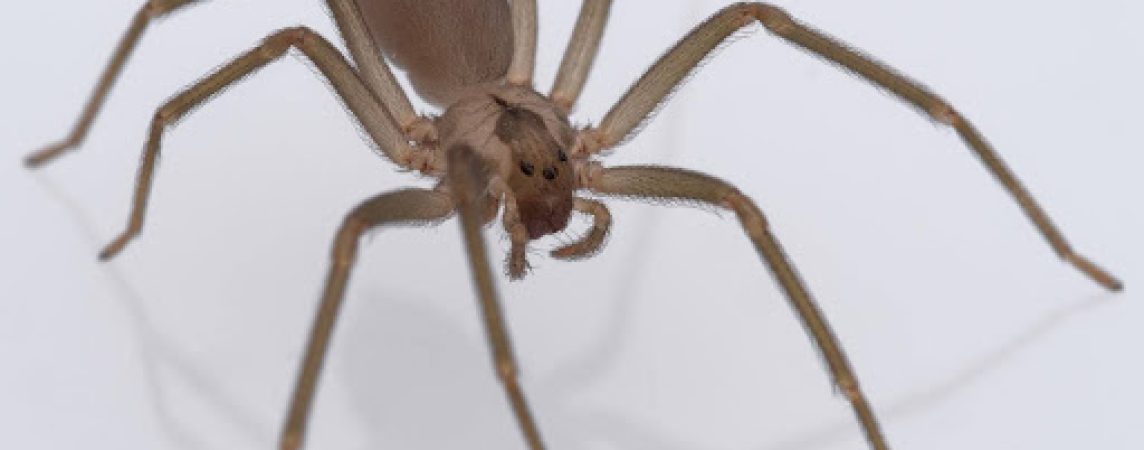
North America is home to six native recluse spider species, with the Brown Recluse having the widest distribution. Two non-native species—the Mediterranean Recluse and Chilean Recluse—are occasionally found as well.

Recluse spiders can be identified by:

Facts About Spider Bites You Should Know

In truth, most spiders are beneficial, keeping insect populations under control naturally.

How to Keep Spider Populations Under Control

Reduce Indoor Clutter

Spiders love hiding in undisturbed areas. Keep boxes, paper, and clothing organized and limit clutter in basements, garages, and closets.

Maintain Outdoor Spaces

Remove debris, firewood, stones, and bricks from near your home. Keep grass trimmed and shrubs pruned so they don’t touch your walls or windows.

Seal Entry Points

Inspect your home’s doors, windows, and foundation cracks. Sealing these prevents spiders—and the insects they feed on—from entering.

Call a Professional

If you’re dealing with frequent spider sightings, contact a professional pest control service. Wise House Pest Control uses eco-friendly, pet-safe treatments that eliminate spiders while keeping your home and family safe.

Final Thoughts: Don’t Panic: Spiders Aren’t the Enemy

So, the next time you see a spider, take a deep breath. Most are harmless and even helpful in keeping insect populations under control. By maintaining a clean home and calling Wise House Pest Control for regular inspections, you can keep spiders—and your stress levels—under control.
[DISPLAY_ULTIMATE_PLUS]