Ant Control
In South Florida

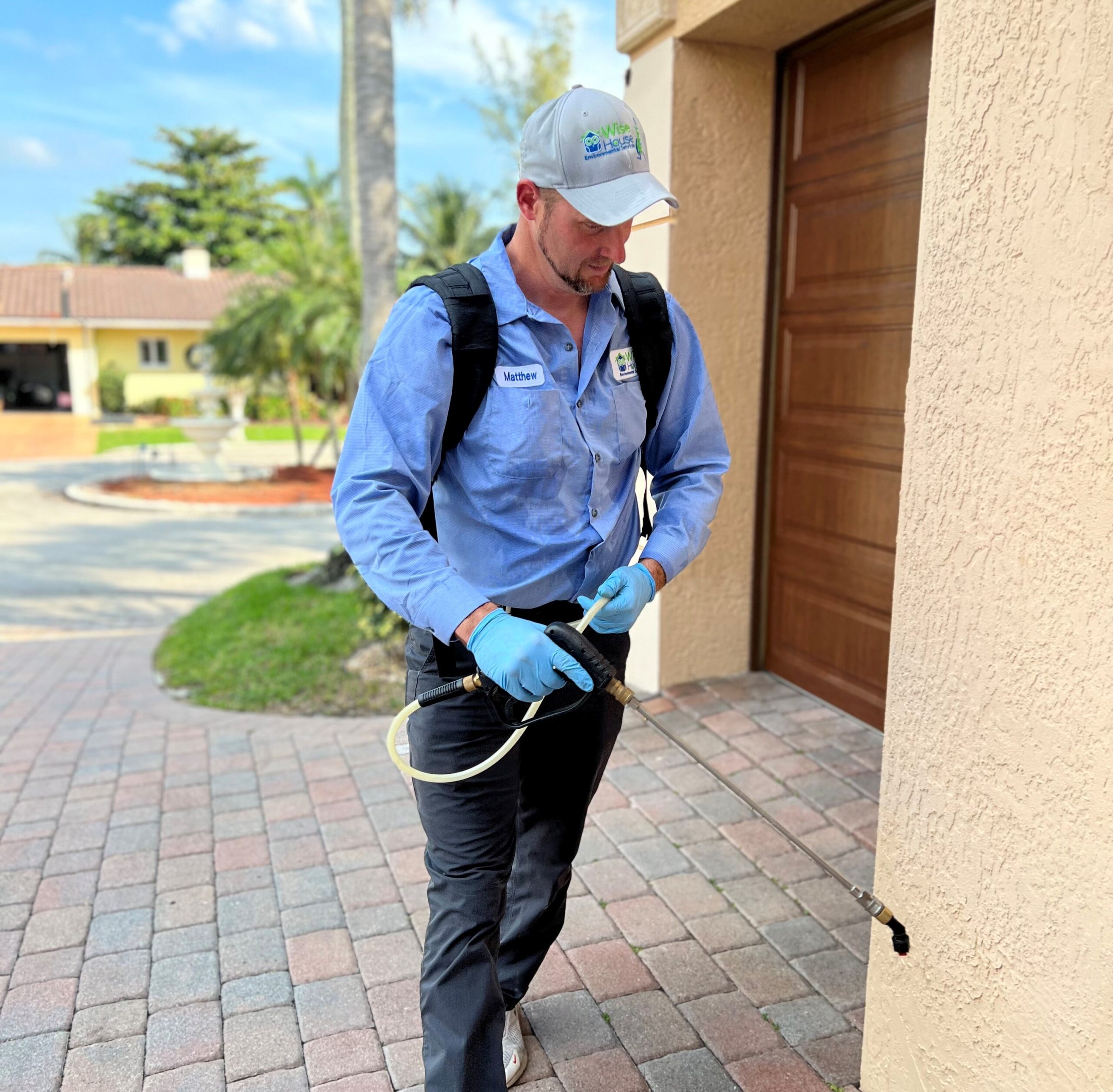
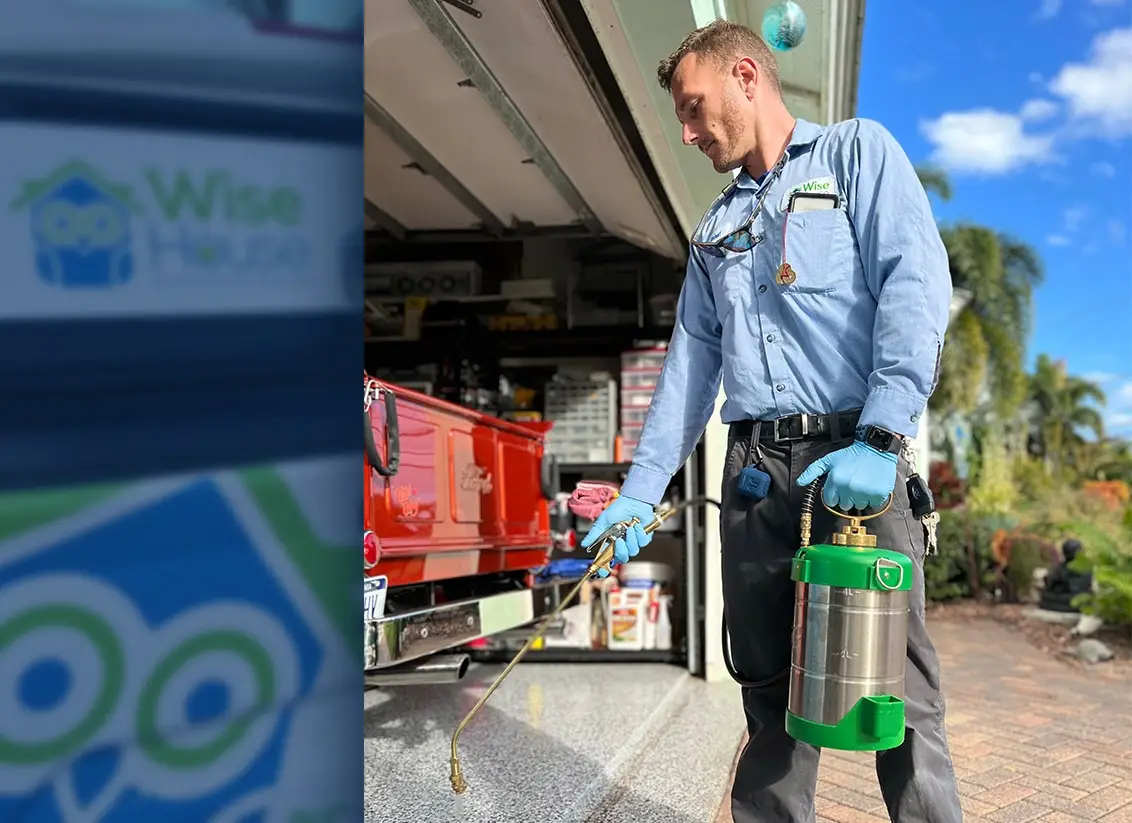
Wise House Environmental Services using low-toxicity sprays for ant control in South, Fl
Ant Icon

Why Choose Us For Ant Control in South Florida

Ants are a common household pest in places like West Palm Beach, Boca Raton, Pompano, Deerfield, Coral Springs, Margate, Tamarac, Weston, Hollywood, Kendall, and Homestead, and finding a reliable and effective method of ant control is important for homeowners and businesses alike. At Wise House Pest Control, we understand the frustration of dealing with ants and take a comprehensive approach to ensuring that your property is ant-free. Surely, one of the key benefits of choosing Wise House Pest Control for your ant control needs in South Florida, including Boca Raton and Kendall, is our commitment to using low-toxicity and pet-friendly products.

Contact Wise House Pest Control at 561-727-8239 for more information and a quote on ant control services.

Ant Icon

Safe & Effective Ant Control for South Florida Homes and Businesses

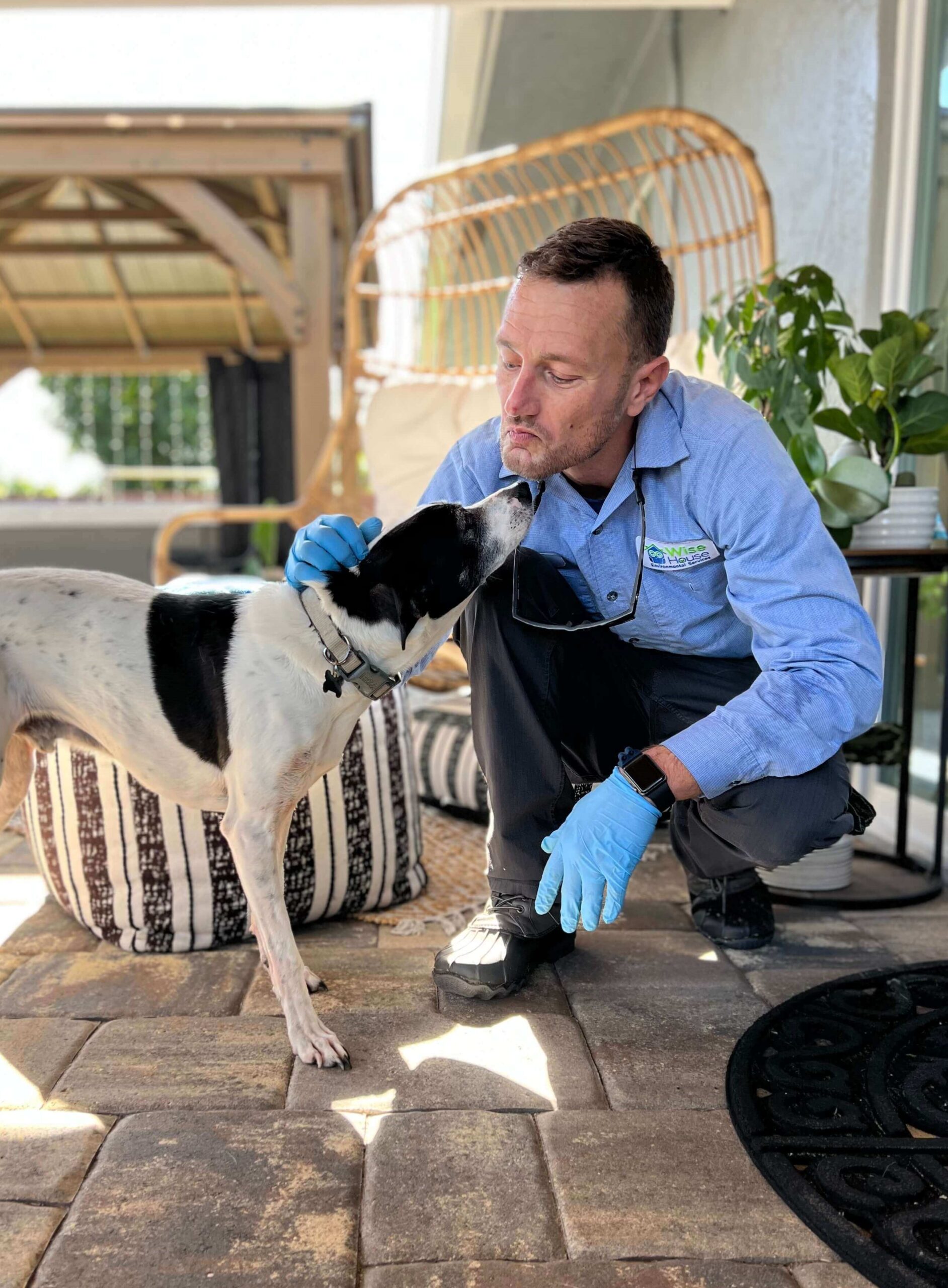
We understand that the safety of your family and pets is a top priority in communities like Pompano and Deerfield. That’s why we utilize the safest, most effective methods for ant control. In addition to this, we not only use safer products, but we also take a proactive approach to ant control.

In fact, this means that we not only eliminate the ants currently present in your home or business in Coral Springs or Tamarac, but we also take steps to prevent future infestations. For example, our prevention strategies may include sealing potential entry points, removing sources of food and water, and providing ongoing maintenance to keep ants at bay in areas like Margate, Weston, and Miami.

Furthermore, at Wise House Pest Control, we are dedicated to delivering the most effective and safest ant control solutions for homeowners and businesses across South Florida. Whether you live in Hollywood, Homestead, or West Palm Beach, our team is here to protect your property. Therefore, contact us today to learn more about how we can help keep your home or business ant-free.

Ant Icon

What Kind of Ants are in South Florida?

Many species of ants are found in and around homes and businesses in South Florida. The sub-tropical weather conditions are ideal for ants throughout the year. However, they may come inside during heavy rains or extreme heat in search of food and shelter. Overall, there are several common ant species in South Florida. Here is some information about each of these species:

Ant Icon

How to keep Ants out of your home or business in South Florida

There are several steps you can take to keep ants out of your home or business in South Florida:

Wise House Pest Control is a reputable pest control company in South Florida that can provide effective ant control services for your home or business.
Also, it is important to note that different ant species may require different control methods. Therefore, it is best to seek the advice of a pest control professional to determine the most effective treatment options for your specific situation. In addition, a pest control professional will be able to identify the ant species present and implement the appropriate control measures. As a result, you can be confident the infestation will be effectively eliminated.

Common Ants in South Florida

Learn to identify the ant species most often found in local homes and businesses.

Ants

Eastern Carpenter Ant

Camponotus pennsylvanicus

Large wood-boring ants that excavate timber and leave sawdust-like frass.

Learn More
Ants

Florida Carpenter Ant

Camponotus floridanus

Subtropical wood-nesting ants often found in decaying lumber and wall voids.

Learn More
Ants

Red Imported Fire Ant

Solenopsis invicta

Aggressive stingers, building large mounds and swarming defensively when disturbed.

Learn More
Ants

Compact Carpenter Ant

Camponotus planatus

Smaller carpenter ants that nest in wood but cause less visible damage.

Learn More
Ants

White‑Footed Ant

Technomyrmex difficilis

Small, pale ants nesting in wall voids, attracted to sweets and moisture.

Learn More
Ants

Pyramid Ant

Dorymyrmex insanus

Thermophilic ants that nest near foundations and forage aggressively.

Learn More
Ants

Crazy Ant

Paratrechina longicornis

Fast-moving, erratic ants nesting in damp areas and foraging widely.

Learn More
Ants

Ghost Ant

Tapinoma melanocephalum

Delicate, pale ants that prefer sugary foods and indoor nesting.

Learn More
Ants

Pharaoh Ant

Monomorium pharaonis

Tiny yellow ants known for nesting indoors and spreading pathogens.

Learn More
Ants

Thief Ant

Solenopsis molesta

Small yellow ants that nest near other colonies to steal food.

Learn More
Ants

Odorous House Ant

Tapinoma sessile

Emits a foul odor when crushed; forms large colonies in structures.

Learn More
Ants

Sugar Ant

Tapinoma melanocephalum

Invades kitchens seeking sweets; builds nests behind walls.

Learn More
Ants

Little Black Ant

Monomorium minimum

Shiny black ants nesting in cracks and voids—common in kitchens.

Learn More
Ants

Small Honey Ant

Prenolepis imparis

Workers store food in swollen abdomens—often found indoors during cooler months.

Learn More
Ants

Tramp Ant

Tetramorium bicarinatum

Invasive ants forming dense colonies in urban areas; aggressive foragers.

Learn More
Ants

Pavement Ant

Tetramorium immigrans

Nests under sidewalks and driveways; scavenges inside homes for food.

Learn More
Ants

Big‑Headed Ant

Pheidole megacephala

Named for their large worker heads—these ants aggressively forage and displace native species.

Learn More
Ants

Rover Ant

Brachymyrmex spp.

Tiny and highly mobile, rover ants quickly colonize indoors and outdoors in large numbers.

Learn More
Ants

Acrobat Ant

Crematogaster sp.

Named for their ability to lift their abdomen high—they nest in wood and can sting when threatened.

Learn More
Ants

Argentine Ant

Linepithema humile

An invasive species forming massive super-colonies—common in homes and landscapes.

Learn More
Ant Icon

Health Risks Associated With Ants

Ants in South Florida can bite or sting, especially species like fire ants, carpenter ants, pavement ants, sugar ants, and pharaoh ants. For example, fire ant stings cause a burning sensation and redness, and in some cases, allergy sufferers may experience severe reactions.

Furthermore, ant infestations often start small but can quickly explode into large colonies invading kitchens, yards, or wood structures. Therefore, identifying the species early—whether ants, termites, or spiders—is vital to stopping the damage before it worsens.

At Wise House Pest Control, our experts perform thorough inspections and design targeted treatments using proven methods like baits and liquid sprays. In addition, we base our strategies on ant habits, pheromone trails, and moist zone hotspots. As a result, our work is highly effective and supported by glowing customer reviews and attentive service.

However, if you’re stung and experience severe symptoms such as hives, difficulty breathing, or swelling, you should seek immediate medical care. On the other hand, for everyday infestations in South Florida homes and businesses, Wise House is just a call away. We carefully differentiate ant species, eliminate queens, and specialize in pest control for ants, cockroaches, and mosquitoes. Ultimately, let Wise House Pest Control protect your property today.

Ant Icon

If You're Bitten By Ant

or stung by an ant, there are a few steps you can take to help reduce the pain and discomfort:

If You're Still in Pain

And experience severe symptoms after being bitten or stung by an ant, such as difficulty breathing or a rash, it is important to seek medical attention as soon as possible.
Ant Icon

Why Choose Wise House Pest Control for Ant Control in South Florida

Hiring a professional pest control company like Wise House Pest Control can be important for preventing ant bites and stings in South Florida for a few reasons:


Our Customers Love Us!

See What They Are Saying

“Wise House came highly recommended and they lived up to the accolades. Customer service, professionalisms, punctuality and the use of environmentally friendly products are on point. Dennis and Robert did an amazing job.”


- Michael C.
"Robert the technician that comes out has been great. Since we have a dog and two cats, we like that the products are pet safe. Very pleased!”

- John U
“Dennis was very professional and knowledgeable! I am very happy with Wise House and will now only use them for my pest protection! Five stars all around for Wise House Environmental Services.”

- Benjamin N.
“Robert is an extremely professional and knowledgeable technician. Did a great job inside with the active pests and awesome prevention as well as the outside. Highly recommend this company and especially Robert as the technician!”

- Bob G.
“He surveyed the entire property and used products that I felt would be safe and effective at getting rid of ants and other insects. I would definitely recommend Wise House, especially if you want effective pest control without all the toxins associated wit”

- Aaron C.
Bug-Logo

Dedicated To Being The Best Pest Control Company For Ant Control

Request a professional estimate!
Wisehousebugs Service Rodent Control

Have Questions? We've Got Answers

Frequently Asked Questions

The most effective approach to ant control in South Florida involves a combination of targeted treatments, including eco-friendly baits, slow-acting sprays, and dusts applied in wall voids, attics, or hidden areas. These treatments are typically used by licensed pest control professionals throughout Palm Beach County, Martin County, and Port St. Lucie to eliminate common household ants such as big-headed ants, ghost ants, and sugar ants.
Ant treatments often take up to two weeks to show full results. During this time, it’s normal to see both live and dead ants as the slow-acting products are designed to be transferred back to the colony. This allows the entire nest to be affected, which is especially important in areas like Boca Raton, Delray Beach, and Boynton Beach, where complex ant colonies are common.
Follow-up treatments are often necessary for stubborn infestations, especially when dealing with carpenter ants, fire ants, or large trailing colonies. In South Florida, it is common for reputable pest control providers to include follow-up services within 10 to 14 days of the initial visit to ensure full colony elimination.
Big-headed ants, ghost ants, white-footed ants, and carpenter ants are frequently found in homes across Palm Beach County, Martin County, and Port St. Lucie. Each species requires a different treatment method, which is why correct identification is a key part of professional pest control services.

It is not recommended to kill ants during an active treatment period. Ants play a critical role in carrying bait and treated materials back to the nest.

Modern ant control methods used throughout Palm Beach County and surrounding areas focus on safety and precision. Treatments are typically applied in areas that are inaccessible to children and pets, using low-toxicity products approved for residential use.
Recurring ant issues in Florida homes are often due to outdoor colonies that are not completely eradicated, nearby landscaping or mulch beds that attract moisture, or cracks in foundations and walls. Cities like Lake Worth and Port St. Lucie frequently experience seasonal surges in ant activity, making regular prevention plans essential for long-term control.
While store-bought sprays may offer temporary relief, they often repel ants rather than eliminating the colony. Professional pest control providers in areas like Delray Beach and Jupiter use integrated strategies and targeted products that address the root of the infestation, leading to longer-lasting results.
Many pest control companies serving areas like Boca Raton and West Palm Beach offer service guarantees for ongoing ant prevention plans. These plans often include free re-treatments between scheduled services if ant activity persists.
Homes in high-pressure areas like Port St. Lucie and Lake Worth benefit from regular exterior treatments performed either quarterly or bi-monthly, depending on the level of ant activity. Routine treatments help prevent ants from entering and establish a barrier that controls population growth.