Thief Ant

Solenopsis molesta

Pest Stats

Owl logo

Color

Yellow to light brown

Owl logo

Size

0.5–2.2 mm (very small)

Owl logo

Shape

Tiny, slender body with small eyes and a 10-segmented antenna ending in a two-segmented club

Owl logo

Region

Widespread across the U.S., including South Florida

What Are Thief Ants?

Thief Ants are one of the smallest household ants found in South Florida. Their name comes from their sneaky behavior — they often build nests close to other ant colonies and steal food or brood (eggs, larvae, and pupae). Due to their small size and pale color, they are often mistaken for Pharaoh ants, but thief ants behave quite differently and can be even harder to control.

These ants are known for invading kitchens, pantries, and food storage areas, especially during hot and humid weather.

Photo by Andy Reago & Chrissy McClarren, licensed under CC BY 2.0.

Photo by Andy Reago & Chrissy McClarren, licensed under CC BY 2.0.

What Do Thief Ants Look Like?

Thief ants are among the tiniest ants in Florida — as small as 0.5 mm in length. Their body color ranges from yellow to light brown, and they have tiny black eyes and elbowed antennae with a 2-segmented club at the tip. Their small size allows them to slip through cracks and crevices that most other ants cannot access. If you’re seeing almost microscopic ants trailing toward sugary or greasy foods, there’s a good chance they’re thief ants.

Ants That Look Like Thief Ants

Where Do Thief Ants Live?

Thief ants typically nest in concealed, hard-to-reach spaces, such as:

They often nest close to or even inside the nests of other ants to “steal” their food and brood — a behavior that gives them their name.

Photo by April Nobile, licensed under CC BY-SA 3.0.

Photo by Anita Gould, licensed under CC BY 2.0.

What Do Thief Ants Eat?

Thief ants are opportunistic feeders and have a diet that includes:

Because they will forage for both protein and sweets, proper identification is key to using the right bait during treatment.

Are Thief Ants Dangerous?

While thief ants don’t bite or sting people, they can still pose a risk to health. They are known to contaminate food and kitchen surfaces, and their nesting behavior makes them difficult to reach with DIY methods. Their small size allows them to bypass common exclusion methods and enter tightly sealed containers or packages.

In sensitive settings like hospitals or food-processing areas, they can be a serious pest.

5 Ways to Prevent Thief Ants in Your Home

Stop thief ants before they settle inside by cutting off their access to food, moisture, and shelter. If you’re still seeing signs of these pests, the professionals at Wise House Environmental Services are just a call away
Number One

Seal Entry Points

Close off cracks, gaps, and crevices around windows, doors, and foundations where ants can sneak in.

Number two

Keep Surfaces Clean

Wipe down counters and sweep floors daily to remove crumbs, grease, and other food sources.

Number three

Store Food Securely

Use airtight containers for snacks, oils, and pet food to keep them out of reach.

Dark Blue Number four

Fix Moisture Issues

Repair leaks under sinks and reduce indoor humidity, which attracts nesting ants.

Dark Blue Number five

Manage Your Trash

Empty trash bins regularly and clean them often to avoid attracting foraging ants.

Need Help with Thief Ants?

If you’re seeing tiny yellow ants in your kitchen or pantry, don’t wait — thief ants can be extremely persistent once established. At Wise House Environmental Services, we serve homes and businesses across Palm Beach, Martin, and Port St. Lucie counties with proven, low-toxicity ant control solutions.

5 Ways to Keep Thief Ants Out of Your Yard

Make your outdoor spaces less inviting to keep thief ants from finding their way inside.


Number One

Trim Back Vegetation

Bushes and tree branches touching the home act as highways for ants — keep them trimmed.

Number two

Secure Outdoor Food

Keep compost bins, pet dishes, and grills clean and off the ground to avoid attracting ants.

Number three

Inspect Hidden Areas

Check under stones, garden edges, and yard debris where ants may nest unnoticed.

Dark Blue Number four

Eliminate Nearby Colonies

Removing other ant nests can prevent thief ants from co-nesting or scavenging nearby.

Dark Blue Number five

Book Routine Inspections

Regular professional pest checks help catch early signs of outdoor nesting before they spread inside.


Our Customers Love Us!

See What They Are Saying

Wise House reviews - 5-star pest control testimonial
“Wise House came highly recommended and they lived up to the accolades. Customer service, professionalisms, punctuality and the use of environmentally friendly products are on point. Dennis and Robert did an amazing job.”


- Michael C.
"Robert the technician that comes out has been great. Since we have a dog and two cats, we like that the products are pet safe. Very pleased!”

- John U
“Dennis was very professional and knowledgeable! I am very happy with Wise House and will now only use them for my pest protection! Five stars all around for Wise House Environmental Services.”

- Benjamin N.
“Robert is an extremely professional and knowledgeable technician. Did a great job inside with the active pests and awesome prevention as well as the outside. Highly recommend this company and especially Robert as the technician!”

- Bob G.
“He surveyed the entire property and used products that I felt would be safe and effective at getting rid of ants and other insects. I would definitely recommend Wise House, especially if you want effective pest control without all the toxins associated wit”

- Aaron C.
Green bug with blue legs running away

Dedicated To Being The Pest Control Company You Can Rely On

Request a professional estimate!

“The best technician I have had in years, professional, on time, friendly, very thorough and knowledgeable. I recommend him and the company to the future clients.”
Bozena S.
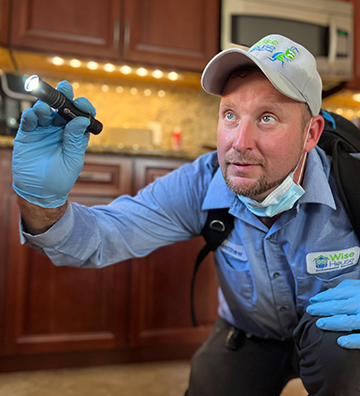
Flashlight Inspection Pic
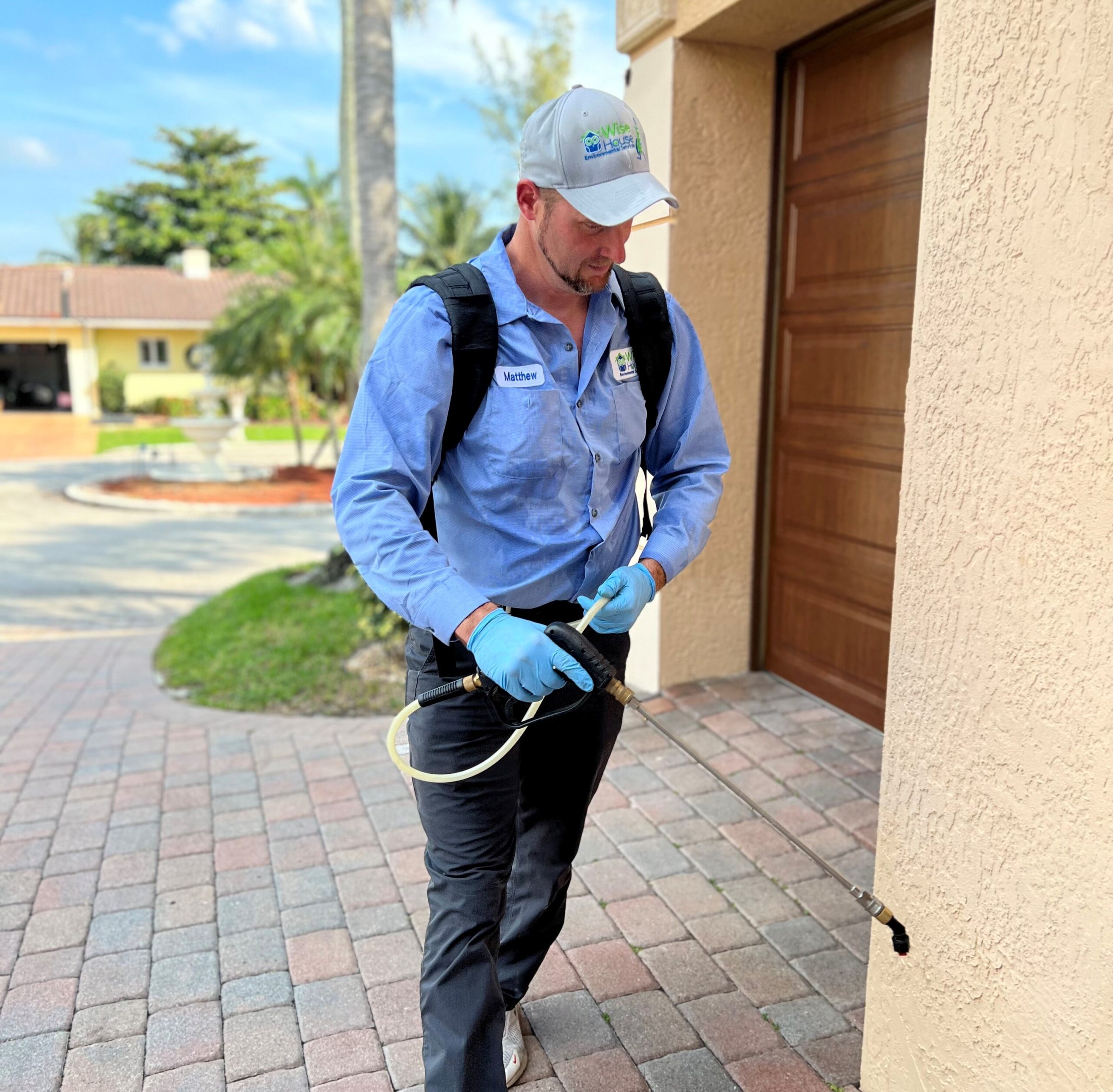
ant control services technician treating home

Request a Profesional Ant Quote!

Get an estimate!

ant control services technician treating home

Have Questions? We've Got Answers

Frequently Asked Questions

We handle all the usual household pests, like ants, cockroaches, termites, mosquitoes, rats, spiders, and more. If you’re dealing with a specific pest that’s not listed, give us a call—we’ll come up with a solution just for you.

Absolutely! We use products that are tough on pests but gentle enough to keep your family and pets safe when applied correctly. Your safety is always our top priority.

It depends on the pest problem and how severe it is. Many of our customers prefer quarterly treatments to keep their homes pest-free year-round. We also offer maintenance plans to make things easier.

In most cases, you can stay right at home. Our technicians are careful to apply treatments safely and in areas that won’t disturb your daily life. If any treatments require you to step out temporarily, we’ll let you know in advance.
Preparation depends on the type of pest we’re treating, but for general services, it helps to clear clutter and give us access to baseboards and infested areas. Don’t worry—we’ll provide detailed prep instructions before we visit.
Our team will inspect treated areas and monitor the results. If pests linger after the first visit, we offer free follow-up services to ensure the problem is completely resolved.