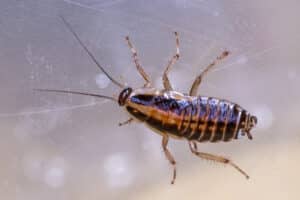
Drywood Termites in South Florida

Cryptotermes brevis, Incisitermes minor, and other species

Drywood Termites in South Florida: Silent destroyers that infest dry wood structures and cause serious damage over time.

Pest Stats

Owl logo

Color

Light to dark brown, depending on the species.

Owl logo

Size

Alates (winged termites) are approximately 7/16 to 1/2 inch long, including wings; workers are about 1/4 inch long

Owl logo

Shape

Elongated bodies with straight antennae, broad waists, and two pairs of wings of equal length

Owl logo

Region

Found throughout South Florida, especially in coastal areas, humid regions, and areas with older wooden structures


What Are Drywood Termites?

What Are Drywood Termites?
Drywood termites in South Florida are wood-dwelling insects that infest dry, undecayed wood, including structural timber, furniture, and hardwood flooring. Unlike subterranean termites, they do not require contact with soil and extract moisture from the wood they consume. This unique ability allows them to remain concealed within the wood for extended periods, making early detection extremely difficult.

Moreover, drywood termites can establish multiple colonies within a single structure, increasing the extent of damage. Because they do not rely on soil contact, they can infest areas above ground level, such as attics, ceilings, and wall voids. This trait differentiates them from subterranean termites, which build mud tubes for moisture. In South Florida, the warm, humid climate provides ideal conditions for drywood termites to thrive year-round, allowing them to remain active and cause structural damage without interruption.

Workers of the drywood termite (Cryptotermes domesticus) — a species prevalent in South Florida — displaying their characteristic pale exoskeletons and head morphology. Photo by Ra Inta, CSIRO, licensed under CC BY 3.0.

Workers of the drywood termite (Cryptotermes domesticus) — a species relevant to South Florida — displaying their characteristic pale exoskeletons and head morphology. Photo by Ra Inta, CSIRO, licensed under CC BY 3.0.

Where Do Drywood Termites Live in South Florida?

Drywood termites in South Florida establish colonies in dry, undecayed wood, making them particularly dangerous to homes with wooden structures. Unlike subterranean termites that require soil contact as a moisture source, drywood termites nest directly within wooden beams, walls, and furniture.

Furthermore, drywood termites can enter structures through small cracks and crevices, making it essential to seal potential entry points. In South Florida, where humidity levels are consistently high, termites can extract moisture directly from the air, allowing them to thrive without a nearby water source.

Biology and Behavior of Drywood Termites in South Florida

Drywood termites in South Florida are highly adaptable pests that thrive in dry, undecayed wood, making them a significant threat to homes and wooden structures. Unlike subterranean termites, they do not require soil contact to survive. Instead, they extract the necessary moisture from the wood they consume, allowing them to establish colonies within wooden beams, floors, and furniture.

Drywood Termites in South Florida typically form small colonies of 1,000 to 2,500 termites, including reproductives (alates), workers, and soldiers. Alates swarm in warm, humid weather to start new colonies, workers tunnel through wood to feed the group, and soldiers defend the nest with strong mandibles.


A key concern with drywood termites in South Florida is how easily they go undetected. They live inside wood and don’t build visible mud tubes, so infestations can quietly grow for years. Signs often appear only after serious damage – like piles of tiny, pellet-shaped frass near kick-out holes in wood.


These termites thrive in heat and humidity, making coastal areas and older wooden homes prime targets. Their stealth and ability to spread through connected wood structures make regular inspections and proactive pest control essential.

What Do Drywood Termites Eat in South Florida?

Drywood termites in South Florida are cellulose feeders, consuming a wide range of wooden materials, including structural wood, furniture, and paper products. Their diet primarily consists of cellulose, an organic compound found in plant-based materials.

Moreover, unlike subterranean termites, drywood termites do not need contact with soil to survive. Instead, they derive moisture directly from the wood they consume. This adaptation allows them to infest areas above ground level, leading to widespread, unnoticed damage throughout a structure.

Are Drywood Termites Dangerous in South Florida?

While drywood termites in South Florida do not pose direct health risks to humans, they can cause extensive structural damage that compromises the integrity of buildings. The longer a drywood termite infestation goes undetected, the more severe the destruction becomes.

Management of Drywood Termites in South Florida

Controlling drywood termites in South Florida requires a comprehensive, multi-step approach that includes both preventive measures and targeted treatment.

Moreover, ongoing monitoring is essential to ensure that termites do not return. Regular inspections by trained pest control specialists can detect early signs of termite activity and implement appropriate control measures to protect the property.

5 Ways To Keep Drywood Termites Out Of Your Home

These proactive steps will help keep them away, but if you’re still seeing signs of these termites, the professionals at Wise House Pest Control are just a call away.

Seal Cracks and Gaps

Inspect windows, door frames, and foundation cracks for openings, and seal them with caulk or weatherstripping to prevent drywood termites from entering.

Reduce Indoor Humidity

Use dehumidifiers and ensure proper ventilation in attics, basements, and crawl spaces to minimize moisture that attracts drywood termites.

Inspect Wooden Furniture Regularly

Check wooden furniture, especially older or second-hand pieces, for signs of frass, kick-out holes, or hollow-sounding wood.

Keep Wood Away from the Exterior Walls

Avoid storing firewood, lumber, or wooden debris against the exterior of your home, as these materials can provide easy access for termites.

Schedule Annual Termite Inspections

Regular inspections by a pest control professional can detect early signs of drywood termite activity before severe damage occurs.

Concerned About Drywood Termites in South Florida?

If you suspect a drywood termite infestation, Wise House Pest Control offers comprehensive inspections, effective treatment plans, and ongoing monitoring to protect your home. Our experienced team utilizes targeted control methods to eliminate drywood termites and prevent future infestations.

5 Ways to Prevent Drywood Termites in Your Home

Following these tips can help prevent Drywood Termites from becoming a problem. If they’re still persistent, Wise House Pest Control is ready to provide professional support and keep your home ant-free.

Apply a Preventive Treatment

Consider a professional termite barrier treatment to protect wooden structures from termite infestations.

Maintain a Clean Perimeter

Remove wood debris, leaf litter, and tree branches near your home to reduce potential nesting sites.

Use Treated Wood for Construction

Opt for pressure-treated or termite-resistant wood for decks, fences, and other exterior structures.

Monitor Attics and Crawl Spaces

Inspect attics, crawl spaces, and roof eaves for termite activity, as these areas are common nesting sites.

Keep Gutters and Downspouts Clean

Clear out leaves and debris that can accumulate moisture, attracting termites to your home’s wooden structures.

Our Customers Love Us!

See What They Are Saying

Wise House reviews - 5-star pest control testimonial
“Wise House came highly recommended and they lived up to the accolades. Customer service, professionalisms, punctuality and the use of environmentally friendly products are on point. Dennis and Robert did an amazing job.”


- Michael C.
"Robert the technician that comes out has been great. Since we have a dog and two cats, we like that the products are pet safe. Very pleased!”

- John U
“Dennis was very professional and knowledgeable! I am very happy with Wise House and will now only use them for my pest protection! Five stars all around for Wise House Environmental Services.”

- Benjamin N.
“Robert is an extremely professional and knowledgeable technician. Did a great job inside with the active pests and awesome prevention as well as the outside. Highly recommend this company and especially Robert as the technician!”

- Bob G.
“He surveyed the entire property and used products that I felt would be safe and effective at getting rid of ants and other insects. I would definitely recommend Wise House, especially if you want effective pest control without all the toxins associated wit”

- Aaron C.
Bug-Logo

Dedicated To Being The Pest Control Company You Can Rely On

Request a professional estimate!
“The best technician I have had in years, professional, on time, friendly, very thorough and knowledgeable. I recommend him and the company to the future clients.”
Bozena S.
Flashlight Inspection Pic
ant control services technician treating home

Request a Profesional Termite Quote!

Get an estimate!

ant control services technician treating home

Have Questions? We've Got Answers

Termite Control FAQ

Drywood termites are termites that live and feed directly inside dry wood. Unlike subterranean termites, they do not need contact with soil and can infest walls, attics, furniture, trim, and other wooden parts of a home.

Yes. Drywood termites are very common in South Florida because the warm climate allows them to stay active for much of the year. They are a frequent cause of termite damage in homes, condos, and other structures throughout the region.

Common signs of drywood termites include small piles of termite droppings called frass, tiny kick-out holes in wood, blistering or damaged wood, hollow-sounding wood, and swarming termites or discarded wings near windows and doors.
Drywood termites often enter a home during swarming season when flying reproductives look for cracks, gaps, vents, eaves, or exposed wood where they can start a new colony. They can also be introduced through infested furniture or wood materials.
Not always. Some drywood termite infestations can be treated with no-tent or localized treatments when the activity is limited and accessible. If termites are widespread or hidden throughout the structure, tent fumigation may be the more effective solution.
Yes. Drywood termites can slowly but significantly damage wood framing, trim, cabinets, flooring, and other structural or decorative wood components. Over time, untreated infestations can lead to costly repairs.
The best treatment depends on how extensive the infestation is. Localized no-tent treatments may work for accessible, limited infestations, while tent fumigation is often recommended for widespread drywood termite activity throughout the structure.
Homeowners can help prevent drywood termites by sealing cracks and entry points, repairing damaged wood, reducing excess moisture, inspecting exposed wood regularly, and scheduling termite inspections to catch activity early.