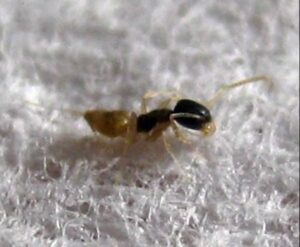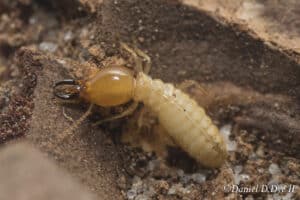
Subterranean Termites in South Florida

Reticulitermes spp., Coptotermes formosanus

Silent destroyers that infest dry wood structures, causing significant damage over time.

Pest Stats

Owl logo

Color

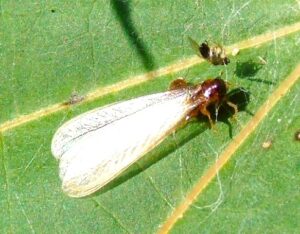
Creamy white workers, cream to brown soldiers, and alates are brown to shiny black.

Owl logo

Size

Workers - 1/8 inch; Soldiers - slightly larger; Alates - 1/2 inch including wings

Owl logo

Shape

Elongated, soft-bodied with straight antennae and broad waists

Owl logo

Region

Found throughout South Florida, especially in moist, shaded areas and near wooden structures

What Are Subterranean Termites in South Florida?

Subterranean termites in South Florida are highly destructive pests that nest in soil and create mud tubes to reach wooden structures. Unlike drywood termites, subterranean termites rely on constant moisture from the soil to survive. Their extensive underground colonies can contain millions of termites, making them one of the most aggressive termite species in the region.
These termites are known for forming extensive tunnel systems that can span over 300 feet in search of food sources. As they tunnel, they hollow out wooden beams, floors, and walls, leading to significant structural damage. The warm, humid climate in South Florida provides the perfect breeding ground for subterranean termites, allowing them to remain active year-round.

Workers of the drywood termite (Cryptotermes domesticus) — a species prevalent in South Florida — displaying their characteristic pale exoskeletons and head morphology. Photo by Ra Inta, CSIRO, licensed under CC BY 3.0.

How to Identify Subterranean Termites in South Florida

Identifying subterranean termites in South Florida is essential for implementing targeted control measures. Here’s how to spot them:

Similar Termites

Where Do Subterranean Termites Live in South Florida?

Subterranean termites are primarily soil dwellers, but they can also establish nests in areas with consistent moisture. Common nesting sites include:

What Do Subterranean Termites Eat in South Florida?

Subterranean termites
consume cellulose, a plant-based compound found in wood and paper products. Their diet includes:

Termites use their sharp mandibles to chew through wood, hollowing it out from the inside. This feeding pattern often goes undetected until severe damage is done.

Are Subterranean Termites Dangerous in South Florida?

While subterranean termites do not pose direct health risks to humans, their ability to cause extensive structural damage makes them a significant threat. Here’s why:

Photo by Andrew C, licensed under CC BY 2.0.

Photo by Judy Gallagher, licensed under CC BY 2.0.

Management of Subterranean Termites in South Florida

Controlling subterranean termites requires comprehensive treatment and ongoing monitoring. Effective treatment methods include:

5 Ways to Prevent Subterranean Termites in Your Home

These proactive steps will help keep them away, but if you’re still seeing signs of these termites, the professionals at Wise House Pest Control are just a call away.

Reduce Moisture Levels

Fix leaking pipes and maintain proper ventilation to prevent excess moisture buildup.

Store Firewood Away From the House

Keep firewood, lumber, and wooden debris at least 20 feet away from the foundation.

Seal Cracks and Gaps

Use caulk and weather stripping to close potential entry points around doors, windows, and the foundation.

Install Termite Barriers

Apply chemical barriers or bait stations around the perimeter to deter termite activity.

Inspect Wooden Structures Regularly

Check for mud tubes, hollow-sounding wood, and swarming termites in basements, crawl spaces, and attics.

Need Subterranean Termite Control in South Florida?

If you suspect a termite infestation, Wise House Pest Control offers comprehensive inspections, effective treatment plans, and ongoing monitoring to protect your home. Our experienced team utilizes targeted control methods to eliminate drywood termites and prevent future infestations.

5 Ways to Keep Subterranean Termites Out of Your Yard

Prevent subterranean termites from nesting near your home with these outdoor strategies:

Eliminate Wood-to-Soil Contact

Raise wooden decks, fence posts, and planters to prevent direct access to wood.

Monitor Mulch Beds

Avoid excessive use of mulch near the foundation, and consider using gravel or stone.

Remove Dead Wood and Debris

Clear fallen branches, tree stumps, and old lumber from the yard.

Keep Gutters and Downspouts Clean

Direct water away from the foundation to prevent moisture accumulation.

Inspect Outdoor Wooden Structures

Regularly check wooden fences, sheds, and gazebos for signs of termite activity.

Our Customers Love Us!

See What They Are Saying

Wise House reviews - 5-star pest control testimonial
“Wise House came highly recommended and they lived up to the accolades. Customer service, professionalisms, punctuality and the use of environmentally friendly products are on point. Dennis and Robert did an amazing job.”


- Michael C.
"Robert the technician that comes out has been great. Since we have a dog and two cats, we like that the products are pet safe. Very pleased!”

- John U
“Dennis was very professional and knowledgeable! I am very happy with Wise House and will now only use them for my pest protection! Five stars all around for Wise House Environmental Services.”

- Benjamin N.
“Robert is an extremely professional and knowledgeable technician. Did a great job inside with the active pests and awesome prevention as well as the outside. Highly recommend this company and especially Robert as the technician!”

- Bob G.
“He surveyed the entire property and used products that I felt would be safe and effective at getting rid of ants and other insects. I would definitely recommend Wise House, especially if you want effective pest control without all the toxins associated wit”

- Aaron C.
Bug-Logo

Dedicated To Being The Pest Control Company You Can Rely On

Request a professional estimate!
“The best technician I have had in years, professional, on time, friendly, very thorough and knowledgeable. I recommend him and the company to the future clients.”
Bozena S.
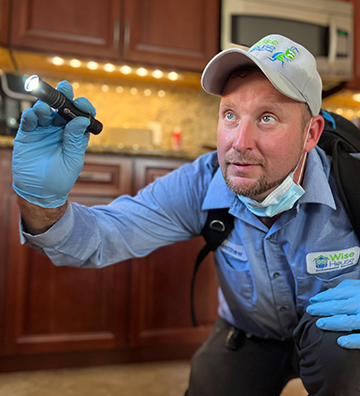
Flashlight Inspection Pic
ant control services technician treating home
Bug-Logo

Request a Profesional Termite Quote!

Request a professional estimate!
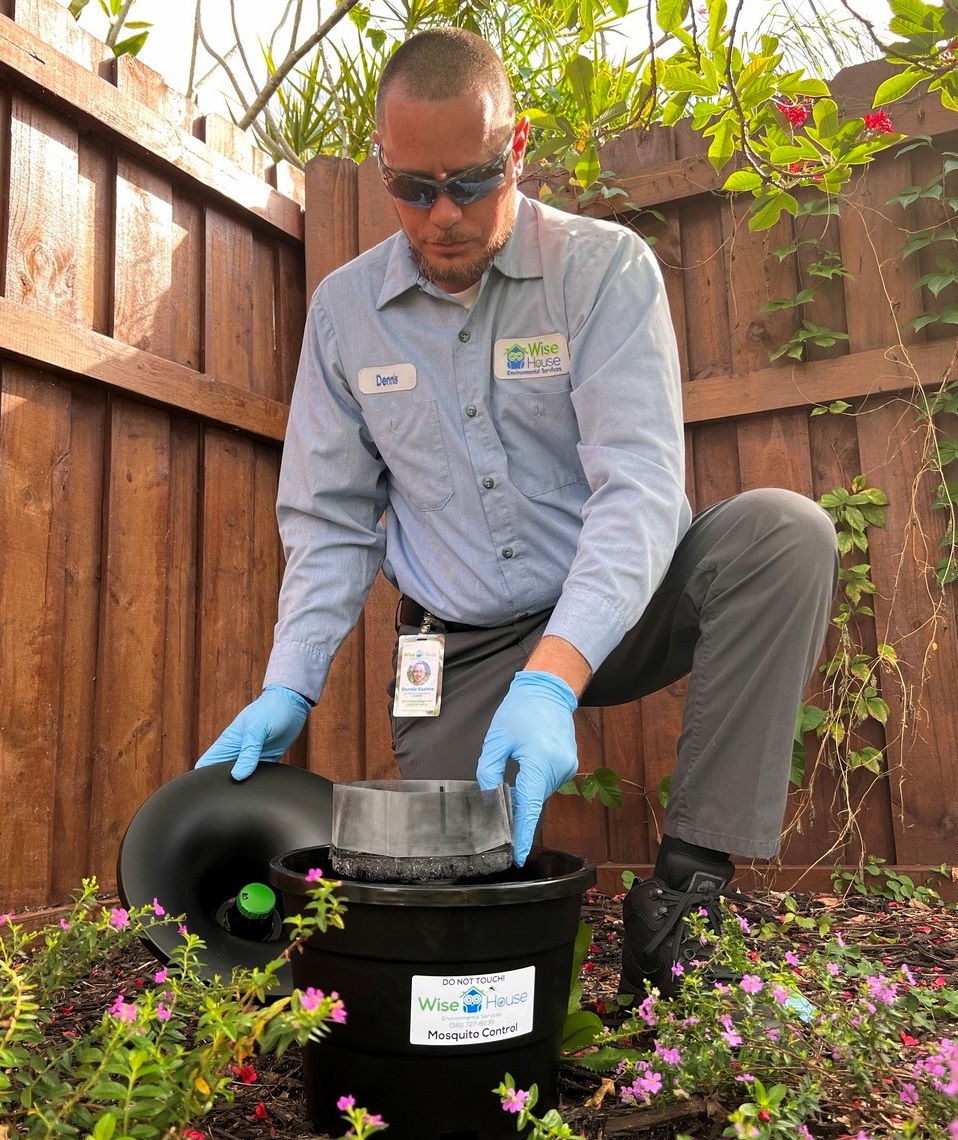
ant control services technician treating home

Have Questions? We've Got Answers

Termite Control FAQ

Subterranean termites are termites that live in underground colonies and travel through soil to reach wood and other cellulose materials. They require moisture to survive and typically build protective mud tubes to move between their nest and a food source like a home’s wooden structure.
Yes. Subterranean termites are the most common termite threat in Florida, and the state’s warm, humid climate provides ideal conditions for colonies to grow and spread.
Common signs of a subterranean termite infestation include: Mud tubes along foundations or walls Swarming termites or discarded wings near windows Hollow or damaged wood Bubbling paint or small holes in wood surfaces. These signs often indicate termites are feeding inside the structure.
Subterranean termites typically enter homes through cracks in foundations, slab joints, crawl spaces, or areas where wood touches the soil. They travel through mud tubes built from soil and saliva to stay protected while moving between their colony and the structure
Yes. Subterranean termites are responsible for billions of dollars in structural damage each year because they feed on wood and other materials containing cellulose. Over time, they can weaken framing, floors, and other structural components of a home.
Common treatment options for subterranean termites include liquid soil treatments, termite bait station systems, or a combination of both. These methods are designed to eliminate active colonies and protect the home from future infestations.
Usually not. Subterranean termites are typically controlled using soil treatments or bait systems rather than fumigation. Tent fumigation is most often used for drywood termite infestations inside the structure.
Homeowners can reduce termite risk by: Fixing moisture problems and leaks Keeping wood and mulch away from the foundation Sealing cracks and gaps around the home Scheduling regular termite inspections to detect activity early.