Formosan Termites in South Florida

Coptotermes formosanus

Pest Stats

Owl logo

Color

Pale yellow to brown (swarmers); creamy white (workers); orange-brown head (soldiers)

Owl logo

Size

Swarmers: 12–15 mm (about ½ inch); Soldiers: slightly smaller with large mandibles

Owl logo

Region

Formosan termites are common in South Florida, especially in coastal areas, older neighborhoods, and places with high humidity and consistent moisture

Owl logo

Shape

Elongated body with straight antennae; soldiers have teardrop-shaped heads and strong jaws

What Are Formosan Termites in South Florida?

Formosan termites in South Florida are an invasive and highly destructive species of subterranean termites. Originally from Asia, they were introduced to the United States in the mid-20th century and have since flourished in warm, humid climates like ours. Unlike native subterranean termites, Formosan termites form massive colonies – often over one million strong – that can inflict severe structural damage in a matter of months.

Their ability to build both underground and above-ground nests makes them especially dangerous. Once inside a home or building, they can spread rapidly through wooden framing, flooring, and even trees on the property.

Close-up view of a deceased Formosan termite (alate) with wings extended.
Image by Teechippy, via Wikimedia Commons, licensed under CC BY-SA 4.0.

How to Identify Formosan Termites in South Florida

Identifying Formosan termites in South Florida can be tricky, especially in the early stages of an infestation. Workers are pale and hard to distinguish from other termite species, but the soldiers and swarmers have more distinctive traits.

Soldiers have orange, teardrop-shaped heads with large mandibles and a small pore (called a fontanel) that secretes a defensive fluid. Swarmers, or alates, are about half an inch long, yellowish-brown, and have four equally-sized, translucent wings covered in tiny hairs. These winged termites usually swarm at night during late spring or early summer, especially after rain.

If you spot swarming termites near light fixtures or window sills, especially in late May or early June, it could be a sign that Formosan termites are nearby—or already inside.

Signs of Formosan Termite Damage in South Florida

One of the biggest dangers of Formosan termites in South Florida is how quietly they work. Infestations can go unnoticed until significant damage has occurred. Common signs include the sudden appearance of swarmers inside your home, piles of discarded wings near windows, and mud tubes climbing foundation walls.

You may also notice bubbling or peeling paint, hollow-sounding wood, or sagging floors and ceilings. In some cases, aerial nests—constructed from chewed wood, soil, and termite saliva – are hidden inside walls or attics and only discovered during renovations or repairs.

Formosan termite nest damage – This type of structural wood destruction is typical of advanced Formosan termite infestations found in South Florida homes and buildings.
Image by Teechippy, via Wikimedia Commons, licensed under CC BY-SA 4.0.

Formosan termite identification – Soldier and worker termites side-by-side. Noting differences helps professionals confirm infestations in South Florida homes.
Image courtesy of USDA, via Flickr. Public domain.

Where Do Formosan Termites Live in South Florida?

Formosan termites thrive in the hot, humid conditions that define South Florida. They commonly nest in moist soil near homes but are also capable of building aerial colonies above ground. These nests can be found in wall voids, attics, trees, or any area where wood and moisture are present.


Yards with dead stumps, woodpiles, mulch beds, or untreated landscaping timbers are prime real estate for a colony. Once established nearby, Formosan termites can enter a home through cracks in the foundation, plumbing lines, or even tiny openings in siding or stucco.

Are Formosan Termites Dangerous in South Florida?

Yes, Formosan termites in South Florida are extremely dangerous to both residential and commercial properties. They consume wood at a much faster rate than native termites, and their massive colonies allow them to infest multiple areas of a structure simultaneously. Beyond damaging framing and flooring, they’ve been known to chew through electrical wiring, foam insulation, plastic, and even soft metals like copper or lead. This can create both structural risks and fire hazards, making early detection and treatment critical.

Mass swarming of Formosan termites – Piles of dead swarmers are a telltale sign of an infestation in South Florida homes.
Image by Teechippy, via Wikimedia Commons, licensed under CC BY-SA 4.0.

5 Ways to Prevent Formosan Termites in Your Home

Following these tips can help prevent Formosan Termites from becoming a problem. If they’re still persistent, Wise House Pest Control is ready to provide professional support and keep your home ant-free.

Fix Leaks Immediately

Termites are drawn to moisture. Leaky pipes, faucets, or roofing create ideal nesting conditions. Repair any water issues as soon as they arise to reduce the risk.

Keep Crawl Spaces and Attics Dry

Poor ventilation and high humidity provide the perfect environment for termites. Make sure your attic and crawl spaces are well-ventilated and moisture-free.

Seal Entry Points

Tiny cracks in your foundation, siding, or around utility lines can let termites in. Use caulk or sealant to close gaps and stop hidden entry routes.

Eliminate Wood-to-Soil Contact

When wooden parts of your home, like porch posts or siding, touch the soil, they offer termites a direct path in. Use concrete supports or metal barriers where possible.

Get Annual Termite Inspections

Even if you don’t see signs, termites could be active behind your walls. A yearly inspection by a licensed pest control company is your best defense.

Need Formosan Termite Control in South Florida?

Formosan termites can be a sign of bigger issues — like hidden leaks or poor ventilation. Let Wise House Environmental Services inspect, treat, and protect your home with tailored, eco-friendly termite solutions.

5 Ways to Keep Formosan Termites Out of Your Yard

These proactive steps will help keep them away, but if you’re still seeing signs of formosan termites, the professionals at Wise House Pest Control are just a call away.

Remove Rotting Wood and Stumps

Dead wood and tree stumps are termite magnets. Clear them out of your yard to reduce nearby food sources.

Avoid using wood landscape materials.

Even treated materials like railroad ties and landscape timbers are not treated thoroughly and attract termites.

Store Firewood Safely

Keep firewood stacked at least 20 feet away from your house and raised off the ground to keep it dry and inaccessible to termites.

Use Mulch Carefully

Thick, damp mulch beds next to your home can trap moisture and attract termites. Use mulch sparingly, and keep it several inches from the foundation.

Manage Rainwater Runoff

Make sure your gutters and downspouts channel water away from your home. Poor drainage raises moisture levels in soil, which encourages termite activity.

Our Customers Love Us!

See What They Are Saying

Wise House reviews - 5-star pest control testimonial
“Wise House came highly recommended and they lived up to the accolades. Customer service, professionalisms, punctuality and the use of environmentally friendly products are on point. Dennis and Robert did an amazing job.”


- Michael C.
"Robert the technician that comes out has been great. Since we have a dog and two cats, we like that the products are pet safe. Very pleased!”

- John U
“Dennis was very professional and knowledgeable! I am very happy with Wise House and will now only use them for my pest protection! Five stars all around for Wise House Environmental Services.”

- Benjamin N.
“Robert is an extremely professional and knowledgeable technician. Did a great job inside with the active pests and awesome prevention as well as the outside. Highly recommend this company and especially Robert as the technician!”

- Bob G.
“He surveyed the entire property and used products that I felt would be safe and effective at getting rid of ants and other insects. I would definitely recommend Wise House, especially if you want effective pest control without all the toxins associated wit”

- Aaron C.
Bug-Logo

Dedicated To Being The Pest Control Company You Can Rely On

Request a professional estimate!
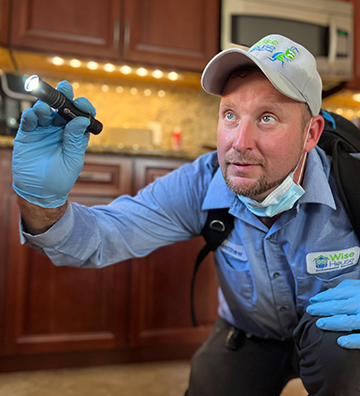
“The best technician I have had in years, professional, on time, friendly, very thorough and knowledgeable. I recommend him and the company to the future clients.”
Bozena S.
Flashlight Inspection Pic
ant control services technician treating home

Request a Profesional Termite Quote!

Get an estimate!
ant control services technician treating home

Have Questions? We've Got Answers

Termite Control FAQ

Formosan termites are an aggressive species of subterranean termite known for forming very large colonies that can contain millions of termites. They feed on wood and other cellulose materials and can cause significant structural damage to homes if left untreated. Formosan termites are common in warm, humid regions like South Florida.
Formosan termites typically form much larger colonies and can cause damage faster than native subterranean termite species. They are also capable of building carton nests above ground, allowing them to infest structures without direct soil contact.
Yes. Formosan termites have become increasingly common throughout South Florida, where the warm climate and moisture levels provide ideal conditions for their colonies to grow and spread.
Not always. Because Formosan termites are subterranean termites, they are usually treated using soil treatments or bait station systems rather than tent fumigation. Fumigation is typically used for drywood termites, not subterranean species.
Signs of a Formosan termite infestation may include: Swarming termites, especially at night during warm months Mud tubes along walls or foundations Hollow or damaged wood Blistered or bubbling paint on wood surfaces Because these termites often stay hidden inside walls, a professional termite inspection is usually the best way to confirm an infestation.
Yes. Due to the size of their colonies, Formosan termites can cause structural damage much faster than many other termite species. If left untreated, they can compromise wooden beams, flooring, and other structural components of a home.
Formosan termite infestations are commonly treated using liquid termite treatments, termite bait station systems, or a combination of both. The best treatment depends on the location of the colony, the level of activity, and the construction of the home.
Homeowners can reduce the risk of termite infestations by: Eliminating wood-to-soil contact around the home Fixing moisture problems and leaks Keeping mulch and wood debris away from the foundation Scheduling regular termite inspections or installing a monitoring system.