
Blog Post

How Much Does Termite Damage Really Cost Florida Homeowners?

Florida homeowners deal with a lot. Hurricane season. Flooding. Rising insurance premiums. But one of the most financially devastating threats to a home in Boynton Beach, Lantana, West Palm Beach, or Port St. Lucie is also one of the quietest. Most homeowners never see it coming until the bill arrives. Termites cause an estimated $6.8 billion in property damage across the United States every single year according to the National Pest Management Association. Florida, which just ranked number one in the country for termite activity in a 2025 Terminix national report, carries a disproportionately large share of that number. South Florida communities like ours sit right in the heart of the highest-risk zone in the highest-risk state. So what does termite damage actually cost a Florida homeowner? The answer depends on how long the colony has been feeding, what it has damaged, and how quickly it was caught. Here is what you need to know.

The Average Cost of Termite Damage in Florida

There is no single number that covers every situation, but industry data and pest control professionals consistently point to the same ranges:
Owl logo

Minor to moderate infestations caught early:

Structural repairs typically run between $1,500 and $3,000, on top of the cost of treatment itself. This is the best-case scenario and usually only applies to homeowners who had a recent professional inspection.

Owl logo

Moderate infestations with significant wood damage:

Repairs in this range commonly run $3,000 to $8,000. This covers situations where termites have been active for one to two years and have damaged flooring, framing, or wall studs in multiple areas.

Owl logo

Severe or long-term infestations:

When termites have been feeding undetected for three or more years, repair costs can reach $10,000 to $30,000 or more. Cases involving structural beam replacement, subfloor removal, or foundation repairs sit at the higher end of this range.
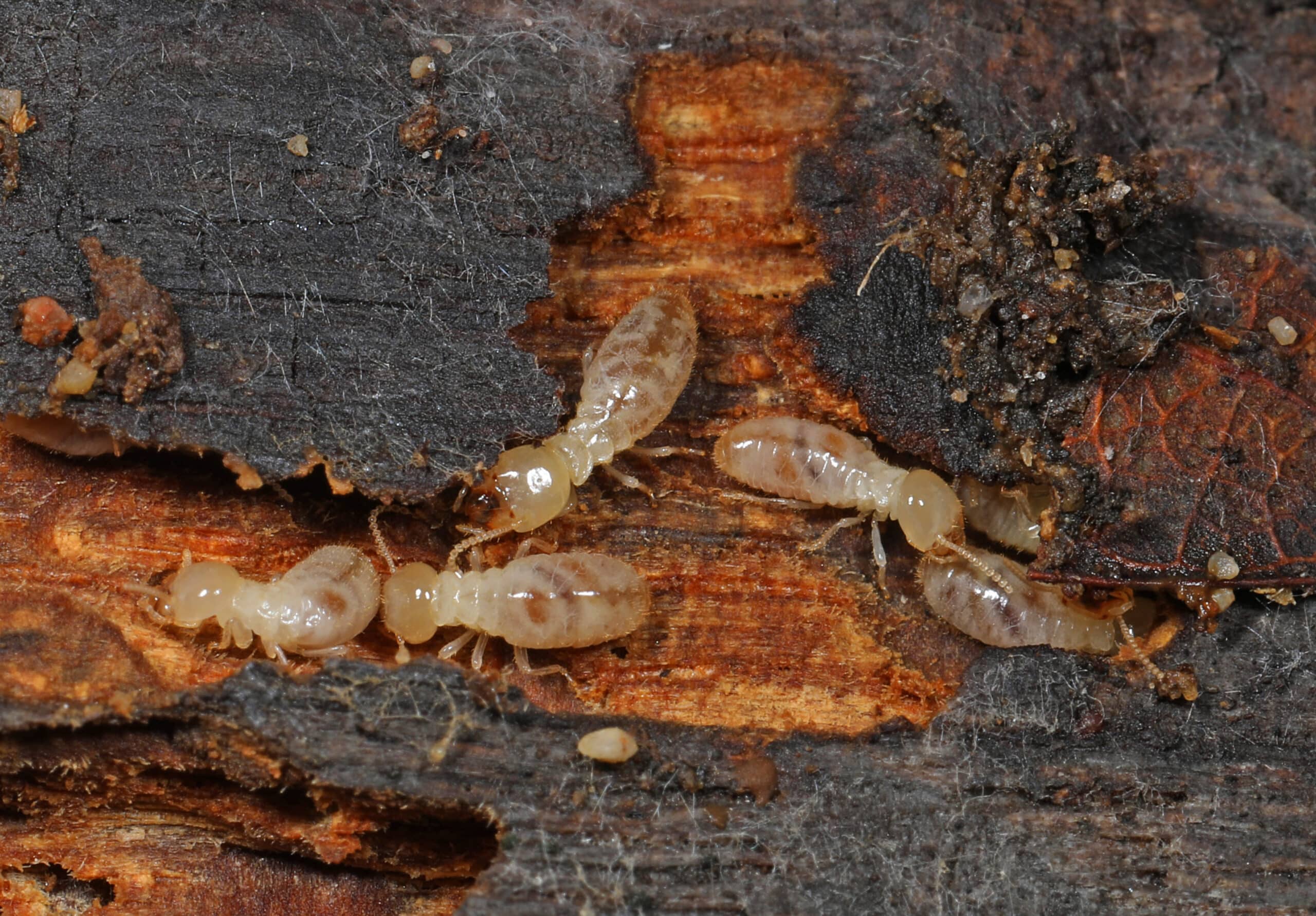
The National Pest Management Association reports that the average termite damage claim runs around $8,000 – and that is before factoring in the cost of professional treatment, temporary relocation if tenting is required, or secondary damage like mold from moisture introduced by termites feeding in walls.

Close-up of an Eastern subterranean termite (Reticulitermes flavipes) on decaying wood, highlighting its role in structural damage in South Florida homes

“How do I make these mosquitoes stop ruining my life without bathing my family in chemicals?”

Why Florida Termite Damage Tends to Cost More

Florida homeowners face a uniquely expensive version of this problem for several reasons.
Owl logo

No off-season.

In northern states, termite colonies slow down during winter. In Florida, year-round heat and humidity keep termite colonies active 365 days a year. A colony that goes undetected for one year in Florida causes more damage than a colony that goes undetected for one year in Ohio, simply because it never stopped feeding.

Owl logo

Multiple invasive species.

Florida hosts some of the world's most destructive invasive termite species, including the Formosan subterranean termite, which can form colonies containing millions of individual workers. Larger colonies consume wood faster and cause damage across wider areas of a structure simultaneously.

Owl logo

Dense development.

Florida's tight lot sizes and dense neighborhoods mean termite pressure is shared across entire blocks. A colony eliminated from one home often relocates to an adjacent untreated structure.

Owl logo

Older housing stock.

Many homes in Palm Beach County and along the Treasure Coast were built in the 1970s, 80s, and 90s with wood framing and subfloors that have had decades of exposure to Florida's moisture and termite pressure.

What Homeowner's Insurance Will NOT Cover

Here is the part most Florida homeowners find out at the worst possible time: standard homeowner’s insurance policies almost universally exclude termite damage.
Insurers classify termite damage as a maintenance issue rather than a sudden, accidental event. The reasoning is that termite infestations develop gradually and are considered preventable with proper inspections and treatment. That classification means every dollar of structural repair comes directly out of your pocket.

This is not a small distinction. A homeowner who discovers $15,000 in termite damage after a home inspection will receive nothing from their insurance company. The full cost of repairs plus treatment falls entirely on them.
The only financial protection against termite damage is proactive prevention. A termite protection plan costs a fraction of what a single repair bill costs.

The Hidden Costs Nobody Talks About

The structural repair bill is just the beginning. Florida homeowners dealing with a serious termite infestation often face additional costs that do not show up in the initial estimate:
Owl logo

Mold remediation.

Subterranean termites introduce moisture as they feed inside walls. That moisture creates conditions for mold growth, which requires separate professional remediation on top of the structural repair.

Owl logo

Temporary relocation.

If tent fumigation is required, homeowners typically need to vacate for two to three nights including boarding pets, hotel costs, and food expenses since all open food must be removed or sealed.

Owl logo

Real estate impact.

A home with a history of termite damage or an active infestation is significantly harder to sell. Florida law requires sellers to disclose known termite damage, and buyers frequently use it as leverage for price reductions or walk away entirely.

Owl logo

WDO inspection costs.

Most Florida real estate transactions require a Wood-Destroying Organism inspection. If termites are found, the deal often stalls while repairs are negotiated, adding carrying costs and delays.

What Early Detection Actually Saves You

The math on termite prevention is straightforward. A professional annual inspection costs a fraction of even the most minor repair scenario. A bait station system like Sentricon or Annual Trelona provides continuous protection for significantly less than the average repair bill. The homeowners who end up with five-figure repair bills are almost never the ones who had ongoing professional protection. They are the ones who skipped inspections, assumed their concrete block home was safe, or treated termites as a problem for later. By the time visible warning signs appear, a colony has typically been feeding for one to three years. That is one to three years of compounding damage that could have been caught at the first professional inspection.

At Wise House Pest Control

At Wise House Pest Control, we have seen firsthand how devastating termite damage can be for homeowners across Palm Beach County and the Treasure Coast. We use safer, more effective treatments that target termites where they hide, breed, and travel. Not just where you see them. A free termite inspection today costs you nothing. Waiting until the damage is visible could cost you everything. Contact us today for a free termite inspection and personalized protection plan.

Two Convenient Locations:

Home icon

Lantana Office

1177 Hypoluxo Rd Suite C-31 Lantana, FL 33462 (561) 727-8239

Home icon

Port St Lucie Office

464 NW Peacock Blvd, Unit 106 Port St Lucie, FL 34986 (772) 783-4300

Sources:

Have Questions? We've Got Answers

Frequently Asked Questions

Termite repair costs in Florida typically range from $1,500 for minor early-stage damage to $30,000 or more for severe long-term infestations involving structural beams, subfloors, or foundation repairs. The National Pest Management Association reports the average termite damage claim runs around $8,000, not including treatment costs or secondary damage like mold.
No. Standard homeowner’s insurance policies in Florida exclude termite damage because insurers classify it as a preventable maintenance issue rather than a sudden accidental event. Every dollar of structural repair and treatment cost comes directly out of the homeowner’s pocket, making proactive prevention the only real financial protection.
Florida’s year-round heat and humidity keep termite colonies active 365 days a year with no winter slowdown. Combined with multiple invasive species including the Formosan subterranean termite, which can form colonies of millions of workers, Florida homes face faster and more widespread damage than homes in northern states where seasonal cold slows colony activity.
Beyond repair bills, Florida homeowners often face mold remediation costs from moisture introduced by feeding termites, hotel and relocation expenses if tent fumigation is required, real estate disclosure obligations that reduce home sale prices, and WDO inspection fees required in most Florida real estate transactions.
In Florida’s climate a well-established subterranean termite colony can cause significant structural damage within one to three years of going undetected. Because colonies feed continuously year-round with no seasonal pause, damage accumulates faster in Florida than in any other state.
[DISPLAY_ULTIMATE_PLUS]