Pharaoh Ant

Monomorium pharaonis

Pest Stats

Owl logo

Color

Pale yellow to reddish with a darker abdomen

Owl logo

Size

1.5–2 mm

Owl logo

Shape

Small, slender body with 12-segmented antennae ending in a 3-segmented club

Owl logo

Region

Found throughout Florida and across the southern U.S. in heated buildings

What Are Pharaoh Ants?

Pharaoh ants are tiny, light-colored ants commonly found in homes, hospitals, restaurants, and other buildings throughout South Florida. Despite their size, they can cause big problems. These ants form massive colonies with multiple queens, allowing them to spread quickly and become difficult to control. Known for their ability to thrive indoors year-round, Pharaoh ants are often mistaken for “sugar ants” due to their attraction to sweets.

If you’re seeing tiny yellow ants trailing along windowsills, baseboards, or kitchen counters, you may be dealing with Pharaoh ants.

Photo by April Nobile, licensed under CC BY 4.0.

What Do Pharaoh Ants Look Like?

Pharaoh Ants are among the smallest ants encountered in homes, measuring just 1.5 to 2 mm long. Their bodies are pale yellow or reddish in color, with a darker brown to black abdomen. They have elbowed antennae with a distinctive 3-segmented club, which helps distinguish them from similar-looking ants. Their small size and ability to hide in tiny cracks and voids make them especially hard to detect and eliminate without professional help.

Similar Ants

Where Do Pharaoh Ants Live?

In warm climates like South Florida, Pharaoh ants thrive indoors, especially in:

Unlike many other ant species, Pharaoh ants rarely nest outdoors. They prefer warm, humid environments and are highly dependent on indoor heating and moisture sources.

Photo by Martin Pfeiffer, licensed under CC BY 4.0.

Photo by April Nobile, licensed under CC BY 4.0.

What Do Pharaoh Ants Eat?

Pharaoh ants are opportunistic feeders. They’ll forage for:

Their dietary flexibility contributes to their success in both residential and commercial environments. Once a food source is found, a well-established colony can mobilize hundreds of workers in no time.

Are Pharaoh Ants Dangerous?

Yes – Pharaoh ants pose serious health risks. In hospitals and healthcare settings, they’re known to:

In homes, they can spread bacteria to countertops, food, and utensils. Because of their colony structure (multiple queens and budding behavior), spraying store-bought repellents often causes colonies to split, making infestations worse.

Management of Pharaoh Ants

Pharaoh ants are one of the most challenging ant species to control because of their multiple queens and tendency to split into new colonies when stressed. Successful management requires a strategic, professional approach rather than DIY sprays, which often worsen infestations.

At Wise House Pest Control, our Pharaoh ant control process includes:

Pharaoh ants require patience and expert techniques for effective removal. Our low-toxicity treatments are designed to be safe for your family and pets while offering reliable long-term protection against these persistent pests.

Important:

Spraying Pharaoh ants with DIY insecticides usually causes colonies to split and spread — making the problem worse!

5 Ways to Prevent Pharaoh Ants in Your Home

Following these tips inside and outside your home can help prevent Pharaoh Ants from becoming a nuisance. Wise House Pest Control is ready to provide professional support and keep your home ant-free if they’re still persistent.

Seal cracks and entry points

Especially around windows, doors, and baseboards

Wipe down surfaces daily

To eliminate sugary residues and food crumbs

Store food in airtight containers

Especially sweets, oils, and grains

Fix leaks and reduce indoor humidity

Ants are drawn to moisture

Empty trash regularly

And keep bins clean and tightly sealed

Need Help with Pharaoh Ants?

Contact Wise House Pest Control at 1-800-283-1559 for more information and a free quote on ant control services.

5 Ways to Keep Pharaoh Ants Out of Your Yard

Minimize outdoor nesting sites and entry points to reduce your risk of infestation indoors. If you still see signs of these ants, the Wise House Pest Control professionals are just a call away.

Seal Entry Points

Use ant bait stations outdoors – to target colonies before they move inside

Store Food Properly

Keep pet food bowls clean – especially on patios and screened porches

Fix Leaks and Reduce Moisture

Eliminate standing water – especially around HVAC units and leaky spigots

Take Out the Trash Often

Dispose of garbage daily and use trash bins with tight-fitting lids.

Keep Plants and Landscaping Trimmed

Trim vegetation around the home – plants that touch walls provide bridges

Our Customers Love Us!

See What They Are Saying

Wise House reviews - 5-star pest control testimonial
“Wise House came highly recommended and they lived up to the accolades. Customer service, professionalisms, punctuality and the use of environmentally friendly products are on point. Dennis and Robert did an amazing job.”


- Michael C.
"Robert the technician that comes out has been great. Since we have a dog and two cats, we like that the products are pet safe. Very pleased!”

- John U
“Dennis was very professional and knowledgeable! I am very happy with Wise House and will now only use them for my pest protection! Five stars all around for Wise House Environmental Services.”

- Benjamin N.
“Robert is an extremely professional and knowledgeable technician. Did a great job inside with the active pests and awesome prevention as well as the outside. Highly recommend this company and especially Robert as the technician!”

- Bob G.
“He surveyed the entire property and used products that I felt would be safe and effective at getting rid of ants and other insects. I would definitely recommend Wise House, especially if you want effective pest control without all the toxins associated wit”

- Aaron C.
Bug-Logo

Dedicated To Being The Pest Control Company You Can Rely On

Request a professional estimate!
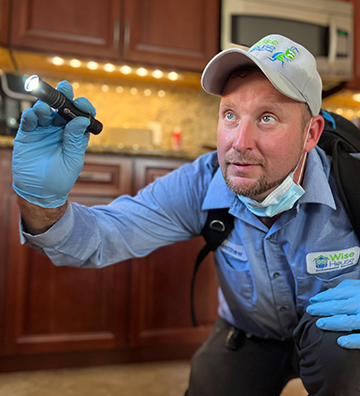
Flashlight Inspection Pic
ant control services technician treating home

Request a Profesional Ant Quote!

Get an estimate!

ant control services technician treating home

Have Questions? We've Got Answers

Ant Control Services FAQ

Pharaoh ants are tiny indoor ants, only about 1/16 inch long, with a pale yellow to light brown body and a slightly darker abdomen. They thrive in the warm, humid conditions across South Florida and are one of the most common indoor ant problems in homes, restaurants, and healthcare facilities.
They do not sting or bite, but they are a real concern because they can carry and spread bacteria such as Salmonella and Streptococcus. That makes them especially problematic in kitchens, hospitals, and anywhere food is prepared or stored.
Pharaoh ants nest in hidden, warm, and humid spots like wall voids, behind baseboards, under floors, and near plumbing, appliances, and electrical lines. A single building can hold several connected nests, which is part of what makes them so hard to locate.
Look for steady trails of very small yellow or light brown ants along countertops, baseboards, and around sinks or outlets. They are drawn to sweets, grease, and protein, and you may spot them in several rooms at the same time.
Each colony has multiple queens, and when the ants feel threatened by sprays they split apart and form new colonies through a process called budding. Over the counter sprays usually scatter the infestation and make it worse instead of eliminating it.
Our technicians use targeted baiting rather than repellent sprays, so worker ants carry the bait back to feed the queens and brood. This reaches the entire colony network and stops the budding that lets pharaoh ants spread.