Pillbug (Roly-Poly)

Family Armadillidiidae

Pest Stats

Owl logo

Color

Slate gray to brown, with a shiny shell made of overlapping plates

Owl logo

Size

About 1/3 to 3/4 inch long as adults

Owl logo

Shape

Oval and arched, rolls into a tight ball when touched

Owl logo

Region

Throughout Florida, in mulch, leaf litter, and damp soil around homes

What is a pillbug?

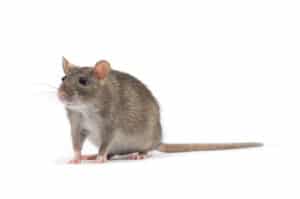
Pillbugs, also called roly-polies, are small gray creatures that curl into a ball when you touch them. They are not insects. In fact, they are isopods, a type of land-dwelling crustacean related to shrimp and crabs. According to UF/IFAS, the most common species, Armadillidium vulgare, came from Europe and now lives around the world. Pillbugs are harmless to people, pets, and your home, and outdoors they help break down dead leaves.

What do pillbugs look like?

Pillbugs look like tiny armadillos. Their gray, segmented shell helps them blend into soil, mulch, and leaf litter.

  • Color: slate gray to brown, often with a shiny shell.
  • Body: oval and arched, made of overlapping, armor-like plates.
  • Legs: seven pairs, one pair for each body segment.
  • Size: according to UF/IFAS, adults reach about 8.5 to 18 mm, or roughly 1/3 to 3/4 inch.
Fun fact: Pillbugs are related to shrimp and lobsters, and they breathe through gill-like organs. That is why they dry out fast and always stay close to moisture.

Quick ID tip: Try the roll test. A pillbug curls into a tight ball, while a sowbug cannot. Sowbugs are also flatter and have two small tail-like parts at the back end.

Where do pillbugs live?

Pillbugs need damp places to survive. They are active at night and hide during the day. Around South Florida homes, look for them here:

  • Mulch beds and pine straw, especially right against the foundation
  • Under leaf litter, palm fronds, and grass clippings
  • Under potted plants, pavers, rocks, and boards
  • Along damp patios and pool decks, where sprinklers keep the ground wet
  • Indoors near doors and in garages, after slipping in through gaps
Why they end up inside: Pillbugs do not want to live in your house. Most of them wander in by accident from wet mulch or soil next to the foundation, and they usually die within a few days because the air is too dry.

What do pillbugs eat?

Pillbugs feed mostly on decaying leaves and other dead plant material. According to UF/IFAS, their feeding in a central Florida forest raised soil nitrogen, phosphorus, and potassium levels.

However, large numbers can nibble on seedlings, tender roots, and vegetables or fruit resting on wet soil. That is why gardeners sometimes see them as a minor pest.

A built-in nursery: Females carry 100 to 200 eggs in a pouch under their body. The young stay in the pouch for a week or two after hatching, and adults can live two to five years.

Are pillbugs dangerous?

No. Pillbugs are one of the most harmless creatures you can find in your home.

  • They do not bite, sting, or spread disease.
  • According to UF/IFAS, they cause no damage inside homes. They are simply a nuisance.
  • They do not eat wood, fabric, or stored food.
  • Outdoors, large numbers may chew on seedlings and low-growing vegetables.
What they are telling you: A steady stream of pillbugs inside often points to a moisture problem near your foundation. The same damp conditions also attract cockroaches, silverfish, and millipedes.

Management of pillbugs

Spraying the pillbugs you find on the floor will not stop the next ones. They come from outside, and they follow the moisture.

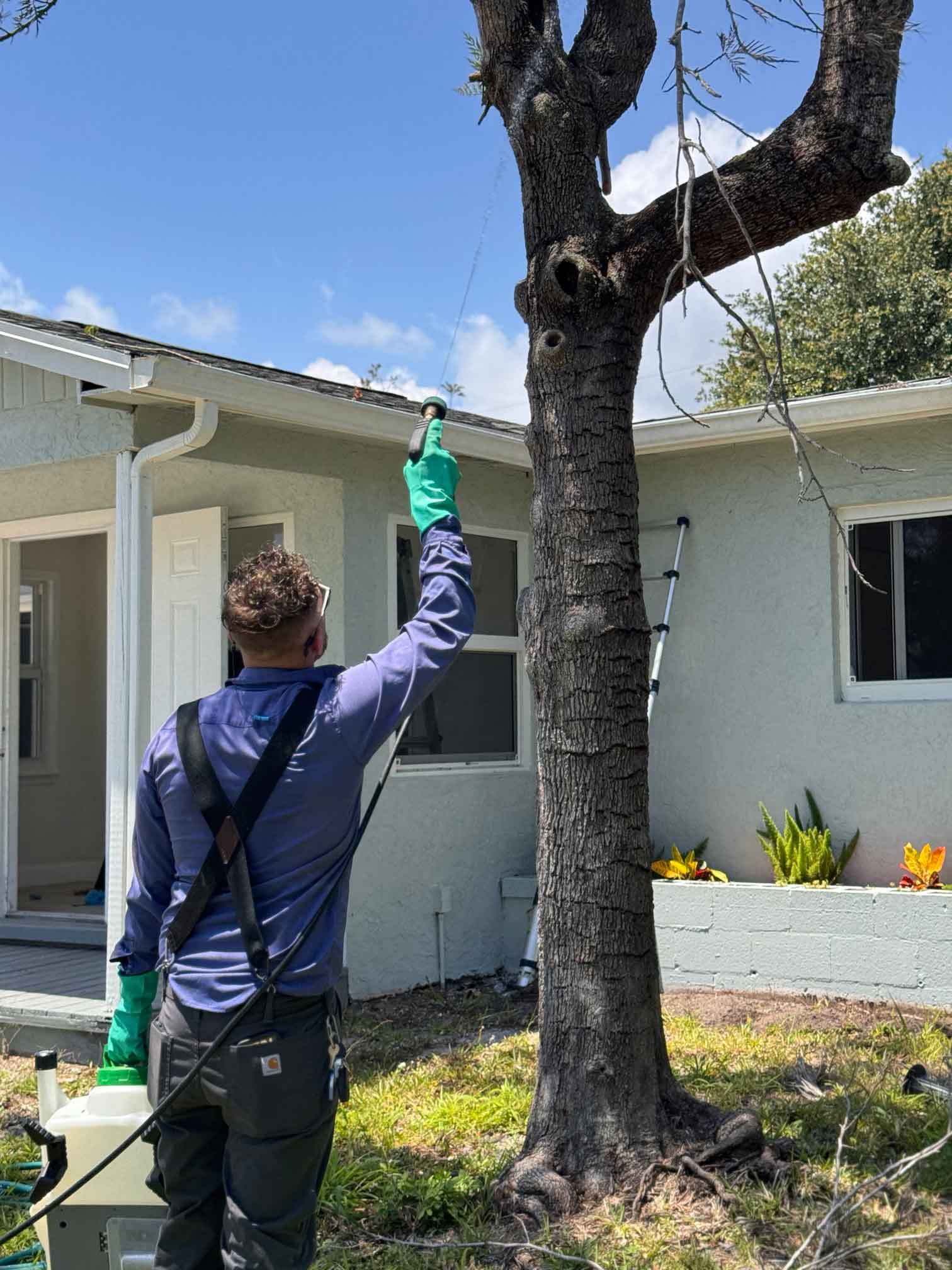
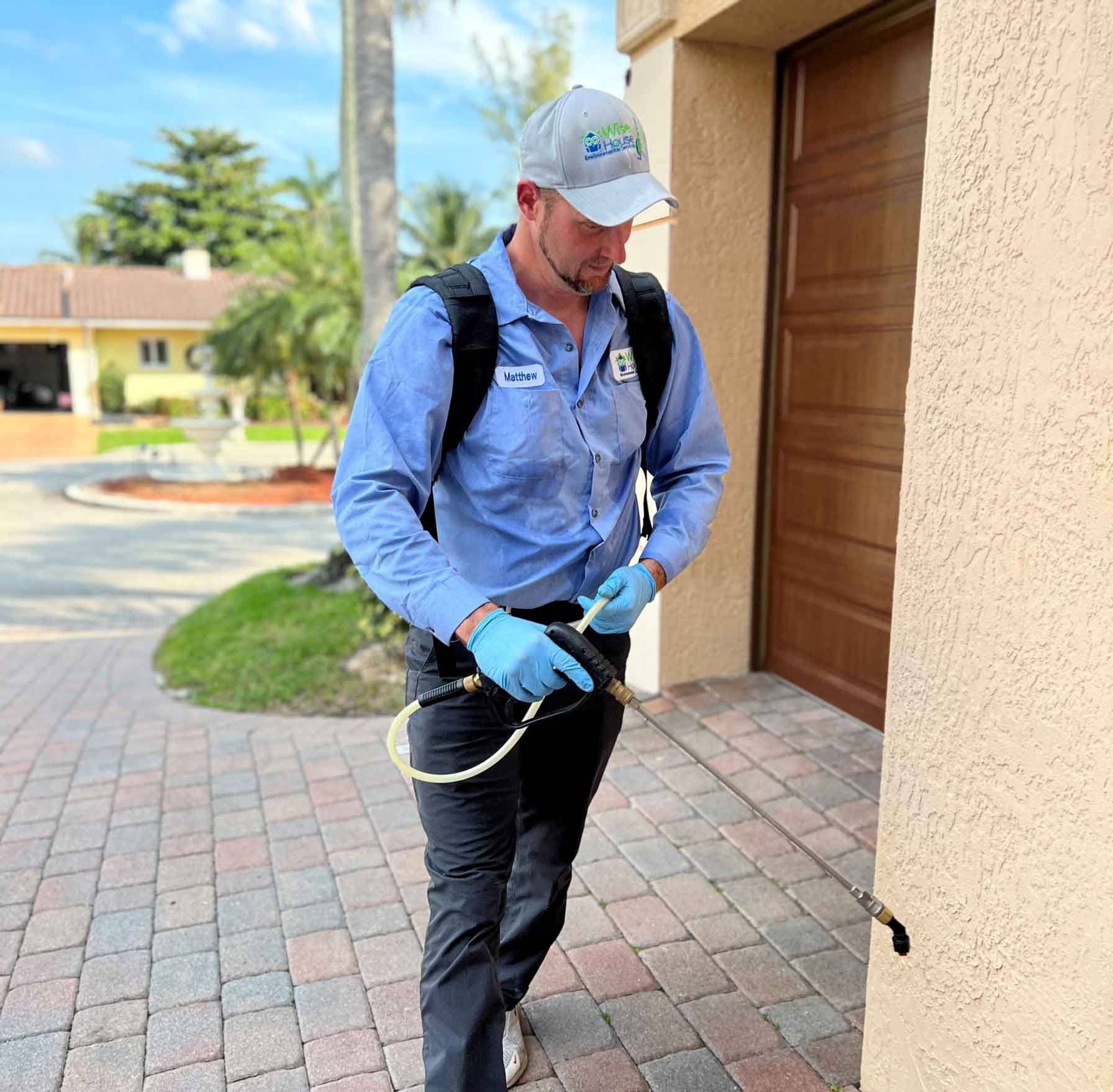
At Wise House Pest Control, we focus on the outside of your home, where the problem starts:

  • Inspection of mulch beds, irrigation, drainage, and the foundation to find the damp spots
  • Advice on simple changes, like pulling mulch back and adjusting sprinklers
  • Checking door sweeps, weatherstripping, and floor-level cracks where pillbugs get in
  • Targeted exterior perimeter treatment when numbers are high, safe for families and pets

Because the same conditions draw in other moisture pests, this work also helps keep cockroaches, silverfish, and millipedes away. For homes in Hobe Sound, Stuart, and Port St. Lucie, our maintenance plans keep them under control all year.

Need Help Getting Rid of pillbugs?

Contact Wise House Pest Control at (561) 727-8239 in Palm Beach County or (772) 783-4300 on the Treasure Coast for more information and a free quote on pest control services.

6 ways to keep pillbugs out of your home

Pillbugs follow moisture, so the goal is to dry out the area around your home. If you find a few inside, simply sweep them up and take them outside.

1

Pull mulch back from the foundation

Keep a 6 to 12 inch dry strip of gravel or bare ground between mulch beds and your walls.

2

Clear leaves and yard debris

Rake up leaves, palm fronds, and grass clippings, and move boards, stones, and firewood away from the house.

3

Water in the morning

Adjust sprinklers so they do not soak the walls, and avoid overwatering beds near the home.

4

Fix drainage and leaks

Point downspouts away from the foundation and repair leaky hose bibs and AC drain lines.

5

Seal entry points

Add door sweeps, replace worn weatherstripping, and caulk cracks at floor level.

6

Schedule routine pest control

Regular residential pest control keeps moisture pests in check, inside and out.

Our Customers Love Us!

See What They Are Saying

Wise House reviews - 5-star pest control testimonial
“Wise House came highly recommended and they lived up to the accolades. Customer service, professionalisms, punctuality and the use of environmentally friendly products are on point. Dennis and Robert did an amazing job.”


- Michael C.
"Robert the technician that comes out has been great. Since we have a dog and two cats, we like that the products are pet safe. Very pleased!”

- John U
“Dennis was very professional and knowledgeable! I am very happy with Wise House and will now only use them for my pest protection! Five stars all around for Wise House Environmental Services.”

- Benjamin N.
“Robert is an extremely professional and knowledgeable technician. Did a great job inside with the active pests and awesome prevention as well as the outside. Highly recommend this company and especially Robert as the technician!”

- Bob G.
“He surveyed the entire property and used products that I felt would be safe and effective at getting rid of ants and other insects. I would definitely recommend Wise House, especially if you want effective pest control without all the toxins associated wit”

- Aaron C.
Bug-Logo

Dedicated To Being The Pest Control Company You Can Rely On

Request a professional estimate!
★★★★★ 5.0 from 622 Google reviews

"My house was over run by ants and thankfully Zach spent hours working in the heat to help us out. Such a nice guy, I am so appreciative."

Taylor, ant extermination

"If you ever have an issue they will show up either same day or by the following. I've had great pest control over the years since I've used this company, specifically the ants, and they have been almost 99% controlled."

Raina T., general inspection and ant extermination

"Took extra time to make sure all of the spider webs were cleared from the pool cage. A+ service."

Christopher L., general pest inspection

"Luke arrived on time. He did an inspection then provided treatment to areas of concern. Thank you again for protecting our property from pests."

Christine, general pest control

Flashlight Inspection Pic
Pest Problems in Jensen Beach
ant control services technician treating home

Have Questions? We've Got Answers

Pillbug FAQ

No, pillbugs cannot bite or sting people or pets. They are completely harmless to handle.
No, pillbugs are isopods, a type of land-living crustacean. Their closest relatives are shrimp, crabs, and lobsters.
They usually wander in from damp mulch, wet soil, or leaf litter right next to your foundation. Gaps under doors and cracks at floor level let them inside.
No, indoor air is too dry for them, so they usually die within a few days. Finding live ones often means there is a damp spot or entry point nearby.
A pillbug can roll into a tight ball, while a sowbug cannot. Both are harmless and are controlled the same way.
Reduce moisture around your foundation, pull mulch back, and seal gaps under doors. If they keep coming inside, a professional perimeter treatment can help.