Dampwood Termites in South Florida

Neotermes spp., Zootermopsis spp.

Silent destroyers that infest dry wood structures, causing significant damage over time.

Pest Stats

Owl logo

Color

Light brown to reddish-brown

Owl logo

Size

Workers and soldiers: up to 20 mm; 1/2" - 5/8 inch long

Owl logo

Shape

Elongated body with straight antennae; soldiers have large heads and mandibles

Owl logo

Region

Dampwood Termites found in South Florida, particularly in coastal, wooded, and high-moisture environments


What Are Dampwood Termites in South Florida?

Dampwood termites in South Florida are wood-destroying insects that thrive in moist environments. Unlike subterranean termites, they don’t require contact with the soil and instead live inside wet, decaying wood. These termites are typically found in tree stumps, fallen logs, and wooden structures with water damage, especially in coastal or humid areas.

The most common species in this region is the Florida dampwood termite (Neotermes castaneus). They are larger than other local termites and may be mistaken for winged ants or drywood termites. What makes them a concern for homeowners is not just the damage they cause, but the moisture issues they reveal. Dampwood termites often indicate plumbing leaks, roof damage, or drainage problems that need immediate attention.

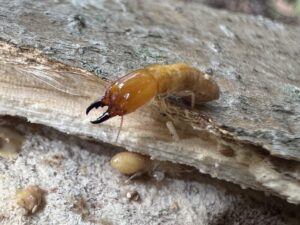
Photo by Judy Gallagher, licensed under CC BY 2.0. View image source.

Photo by Edward Rooks, licensed under CC BY-NC 2.0.

How to identify dampwood termites in South Florida

Dampwood termites in South Florida are larger than most other termite species and have several features that help distinguish them. Adult dampwood termites can reach up to 20 millimeters in length, with light brown to reddish-brown bodies. Their winged forms, called alates, have long, translucent wings with noticeable veins that stretch well past their bodies. Unlike subterranean termites, dampwood termites do not require ground contact. They build their nests directly in wet or decaying wood. Dampwood termites do require a much higher moisture level in the wood to survive than do drywood termites. For this reason, they are rarely found indoors.

Similar Termites

signs of dampwood termites in South Florida

One of the most telling signs of dampwood termites in South Florida is the condition of the wood they infest. Their feeding tunnels – or galleries – appear smooth and clean due to the consistent moisture they need. Instead of hard, dry frass (droppings) like drywood termites leave behind, dampwood termites produce soft, moist fecal material that is often retained within the wood. Infested areas may emit a musty smell and feel soft to the touch. You’re likely to find activity near plumbing leaks, around rotting wood in crawl spaces, or in outdoor structures exposed to rain. Spotting even a few of these termites is a sign to investigate further, as moisture problems are often hidden and persistent.

Photo by TJ Gehling, licensed under CC BY-NC 2.0.

Where Do Dampwood Termites Live in South Florida?

Dampwood termites live and feed in wood that has high moisture content. This includes logs, stumps, wet siding, and structural wood near leaks or condensation. South Florida’s humidity makes it easy for moisture to build up around homes, especially in shaded areas, under decks, or along improperly drained foundations.

These termites are commonly found in:

Because they don’t build external mud tubes or leave piles of frass on the surface, dampwood termites often go unnoticed until serious damage has occurred.

Are Dampwood Termites Dangerous in South Florida?

Dampwood termites are not as aggressive as Formosan termites, but they can still cause significant structural damage if ignored. Their feeding habits weaken water-damaged wood from the inside out. Over time, this can affect load-bearing beams, window frames, baseboards, and even flooring. While dampwood termites do minimal structural damage to homes, their presence signals a bigger issue – excessive moisture. Ignoring a dampwood termite infestation often means overlooking leaks or poor drainage that can lead to mold, mildew, and rot. That’s why early detection and moisture control are key parts of long-term prevention.

Image courtesy of UF/IFAS Extension, used with attribution.

5 Ways to Prevent Dampwood Termites in Your Home

Following these tips can help prevent Dampwood Termites from becoming a problem. If they’re still persistent, Wise House Pest Control is ready to provide professional support and keep your home ant-free.

Fix plumbing and roof leaks promptly

Moisture from dripping pipes or faulty flashing invites termite activity.

Improve crawl space and attic ventilation

Good airflow reduces humidity that attracts termites.

Use treated wood for outdoor projects

Pressure-treated or composite materials resist termite feeding.

Replace water-damaged wood immediately

Remove and repair siding, trim, or flooring that shows signs of rot.

Keep gutters and downspouts clear

Proper drainage protects your home’s foundation and siding from excess moisture.

Need Dampwood Termite Control in South Florida?

Dampwood termites can be a sign of bigger issues — like hidden leaks or poor ventilation. Let Wise House inspect, treat, and protect your home with tailored, eco-friendly termite solutions.

5 Ways to Keep Dampwood Termites Out of Your Yard

These proactive steps will help keep them away, but if you’re still seeing signs of these termites, the professionals at Wise House Pest Control are just a call away.

Remove fallen trees and stumps

Decaying wood is prime nesting material for dampwood termites.

Fix irrigation or drainage problems

Standing water near wood structures increases the risk.

Seal Cracks and Gaps

Use caulk and weather stripping to close potential entry points around doors, windows, and the foundation.

Inspect wooden fences, gates, and sheds regularly

Pay close attention to ground-level contact and water pooling.

Trim vegetation away from walls

Shrubs and trees touching the house can trap moisture and create a hidden entry point.

Our Customers Love Us!

See What They Are Saying

Wise House reviews - 5-star pest control testimonial
“Wise House came highly recommended and they lived up to the accolades. Customer service, professionalisms, punctuality and the use of environmentally friendly products are on point. Dennis and Robert did an amazing job.”


- Michael C.
"Robert the technician that comes out has been great. Since we have a dog and two cats, we like that the products are pet safe. Very pleased!”

- John U
“Dennis was very professional and knowledgeable! I am very happy with Wise House and will now only use them for my pest protection! Five stars all around for Wise House Environmental Services.”

- Benjamin N.
“Robert is an extremely professional and knowledgeable technician. Did a great job inside with the active pests and awesome prevention as well as the outside. Highly recommend this company and especially Robert as the technician!”

- Bob G.
“He surveyed the entire property and used products that I felt would be safe and effective at getting rid of ants and other insects. I would definitely recommend Wise House, especially if you want effective pest control without all the toxins associated wit”

- Aaron C.
Bug-Logo

Dedicated To Being The Pest Control Company You Can Rely On

Request a professional estimate!
“The best technician I have had in years, professional, on time, friendly, very thorough and knowledgeable. I recommend him and the company to the future clients.”
Bozena S.
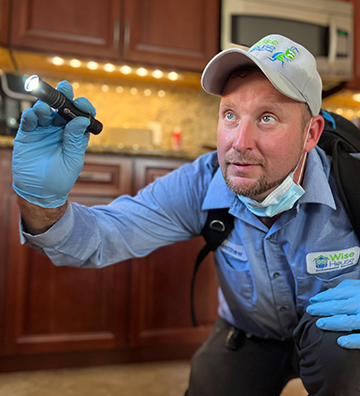
Flashlight Inspection Pic
ant control services technician treating home

Request a Profesional Termite Quote!

Get an estimate!
ant control services technician treating home

Have Questions? We've Got Answers

Termite Control FAQ

Dampwood termites are a species that lives and feeds exclusively in wood with high moisture content. Unlike drywood or subterranean termites, they do not need soil contact and are almost always a sign of a moisture problem in or around your home.

They are less common than drywood or subterranean termites in South Florida, but the region’s humidity and frequent rain make homes here more susceptible, particularly in coastal areas and homes with drainage or moisture issues.

Look for soft, moist wood that feels spongy to the touch, smooth feeding galleries inside the wood, a musty smell near infested areas, and soft pellet-like droppings retained inside the wood rather than pushed out.

Drywood termites infest dry, sound wood and push out hard, pellet-shaped frass. Dampwood termites require wet or decaying wood and retain their softer droppings inside the wood; they are also noticeably larger.

Often yes. Dampwood termites are a strong indicator of hidden moisture issues such as plumbing leaks, roof damage, or poor drainage. Addressing the moisture source is just as important as treating the termites themselves.
Treatment starts with identifying and eliminating the moisture source. Affected wood is then repaired or replaced. In most cases, fixing the moisture problem removes the conditions dampwood termites need to survive. A professional inspection will confirm the extent of damage and any additional treatment needed.

Yes, though they are less aggressive than Formosan or Asian subterranean termites. Left untreated, they can weaken water-damaged beams, flooring, and framing, and the underlying moisture issue often causes additional damage through mold and rot.

Fix leaks promptly, improve ventilation in crawl spaces and attics, replace any water-damaged wood, keep gutters clear, and ensure drainage moves water away from your foundation. Removing the moisture removes the habitat.