Tramp Ant in South Florida

Monomorium destructor, Tapinoma melanocephalum, Paratrechina longicornis

Pest Stats

Owl logo

Color

Varies by species — black, brown, yellow, or reddish

Owl logo

Size

1.5–3 mm

Owl logo

Shape

Slender bodies with segmented abdomens

Owl logo

Region

Widespread in South Florida, particularly in humid, urban areas

What Are Tramp Ants in South Florida?

Tramp Ants in South Florida are a diverse group of small, invasive ant species that thrive in warm, humid climates. Unlike native ants, tramp ants spread rapidly and can easily adapt to urban and indoor environments. They are known for forming extensive colonies and traveling between homes, businesses, and outdoor areas, making them a persistent nuisance. In South Florida, these ants are especially problematic due to the constant warmth and moisture, which provide ideal conditions for year-round infestations.

Photo by April Nobile, courtesy of AntWeb.org

Photo by Greg Hume, licensed under CC BY 2.5.

How to Identify Tramp Ants in South Florida

Identifying Tramp Ants in South Florida can be challenging because they vary in color, size, and nesting habits. However, some common characteristics include:

For instance, the ghost ant (Tapinoma melanocephalum) is small and translucent, while the crazy ant (Paratrechina longicornis) is dark and has exceptionally long legs. Accurate identification is essential for selecting the right control methods.

Where Do Tramp Ants Live in South Florida?

Tramp Ants in South Florida are highly adaptable and nest in various locations, both indoors and outdoors. Their preferred habitats include:

Because they can nest in multiple locations simultaneously, finding and treating all colony sites is crucial for effective control.

Profile view of Cardiocondyla mauritanica ant

Photo by April Nobile, licensed under CC BY 4.0

Ghost ant (Tapinoma melanocephalum) interacting with a mealybug on a green leaf

Photo by Pest and Diseases Image Library, licensed under CC BY-NC 3.0 via IPM Images

What Do Tramp Ants Eat in South Florida?

Tramp Ants in South Florida are opportunistic feeders, consuming almost anything they encounter. Their diet typically includes:

Are Tramp Ants Dangerous in South Florida?

While Tramp Ants in South Florida do not pose significant health risks, they can become serious nuisances by:

Their rapid colony expansion also makes them difficult to eliminate without professional pest control.

Management of Tramp Ants in South Florida

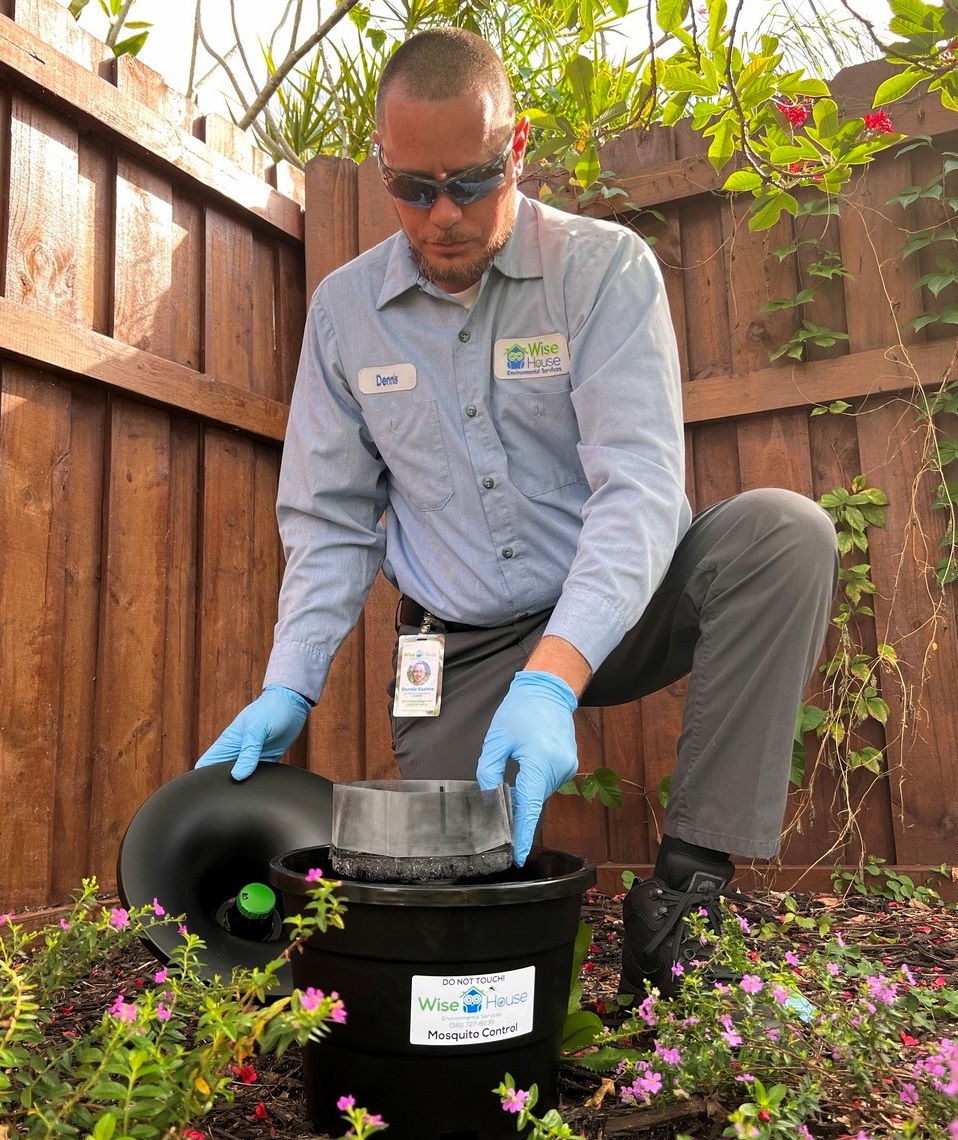
Controlling Tramp Ants in South Florida requires a comprehensive approach. Because these ants form multiple nesting sites, DIY treatments are often ineffective. At Wise House Pest Control, we use targeted ant control methods, including:

Our eco-friendly pest control solutions are designed to effectively manage tramp ants while keeping your home safe for family and pets.

Lateral view of a ghost ant (Tapinoma melanocephalum)

Photo by Eli Sarnat, licensed under CC BY-NC 3.0 via IPM Images.

5 Ways to Prevent Tramp Ants in Your Home

Keep these invasive ants from invading your living spaces with these simple tips:

Seal Entry Points:

Use caulk or weather stripping to close gaps around doors and windows.

Store Food in Sealed Containers:

Prevent ants from accessing sugar, grains, and pet food by using airtight containers.

Eliminate Moisture Sources:

Repair leaky pipes and ensure good ventilation to reduce moisture that attracts ants.

Clean Up Crumbs and Spills:

Wipe down counters and floors daily, especially in kitchens and dining areas.

Take Out Trash Regularly:

Dispose of garbage promptly and use lidded bins to deter foraging ants.

Tired of Tramp Ants in South Florida?

5 Ways to Keep Tramp Ants Out of Your Yard

Prevent outdoor nests from becoming indoor infestations. Our pest control team at Wise House Environmental Services specializes in year-round removal of small honey ants in South Florida homes.

Clear Organic Debris:

Remove fallen leaves, mulch, and decaying wood from around the foundation.

Trim Back Vegetation:

Keep shrubs and branches away from exterior walls to eliminate ant bridges.

Inspect Outdoor Furniture and Equipment:

Check for nesting ants under grills, patio furniture, and storage sheds.

Apply Perimeter Treatments:

Consider professional-grade ant baits and sprays around the home’s exterior.

Manage Aphid Populations:

Control garden pests that produce honeydew, a primary food source for tramp ants.

Our Customers Love Us!

See What They Are Saying

Wise House reviews - 5-star pest control testimonial
“Wise House came highly recommended and they lived up to the accolades. Customer service, professionalisms, punctuality and the use of environmentally friendly products are on point. Dennis and Robert did an amazing job.”


- Michael C.
"Robert the technician that comes out has been great. Since we have a dog and two cats, we like that the products are pet safe. Very pleased!”

- John U
“Dennis was very professional and knowledgeable! I am very happy with Wise House and will now only use them for my pest protection! Five stars all around for Wise House Environmental Services.”

- Benjamin N.
“Robert is an extremely professional and knowledgeable technician. Did a great job inside with the active pests and awesome prevention as well as the outside. Highly recommend this company and especially Robert as the technician!”

- Bob G.
“He surveyed the entire property and used products that I felt would be safe and effective at getting rid of ants and other insects. I would definitely recommend Wise House, especially if you want effective pest control without all the toxins associated wit”

- Aaron C.
Bug-Logo

Dedicated To Being The Pest Control Company You Can Rely On

Request a professional estimate!
“The best technician I have had in years, professional, on time, friendly, very thorough and knowledgeable. I recommend him and the company to the future clients.”
Bozena S.
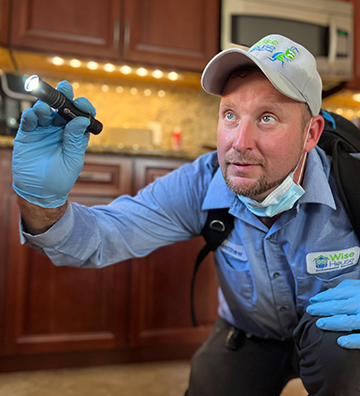
Flashlight Inspection Pic
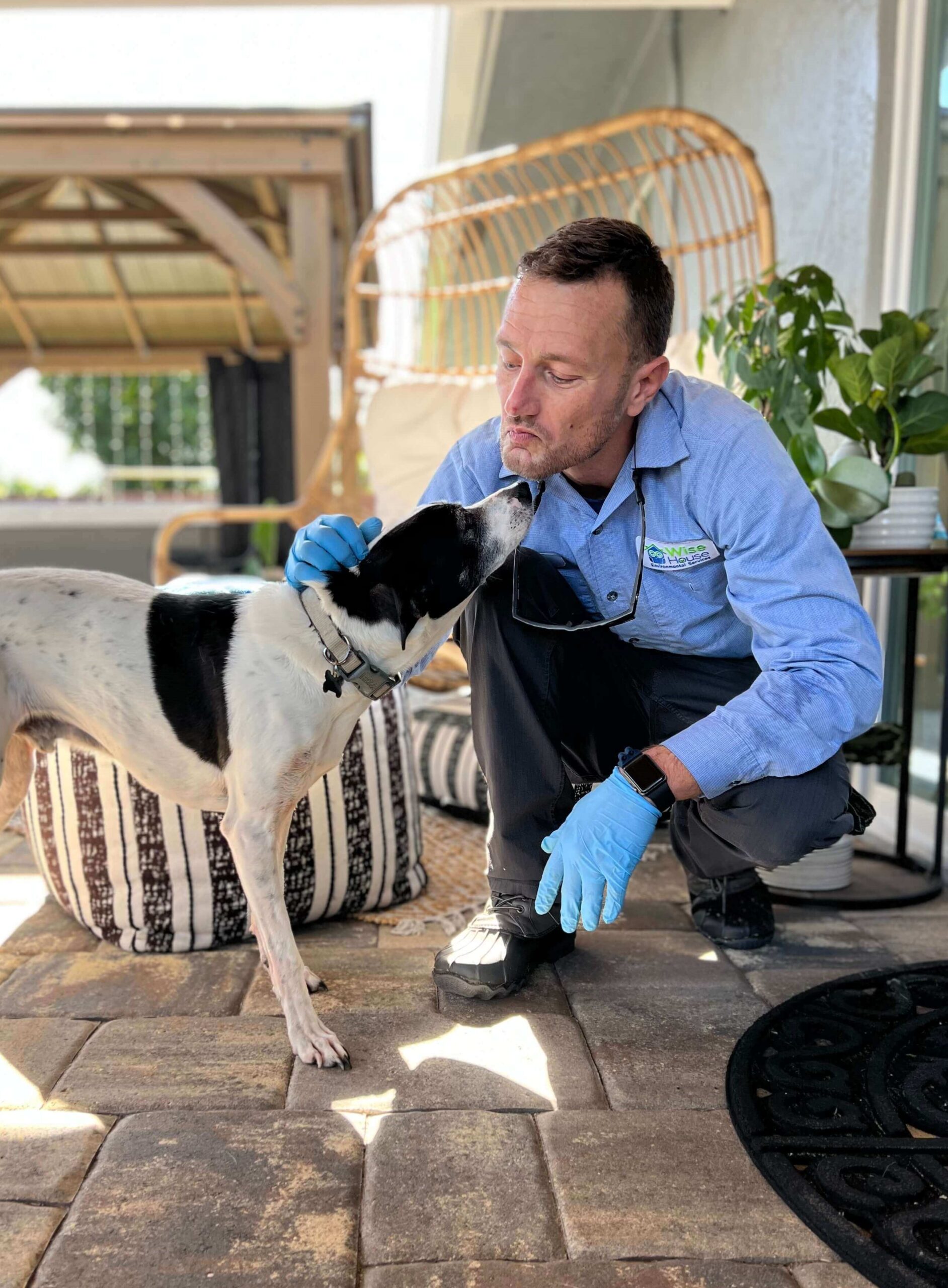
ant control services technician treating home

Request a Profesional Ant Quote!

Get an estimate!

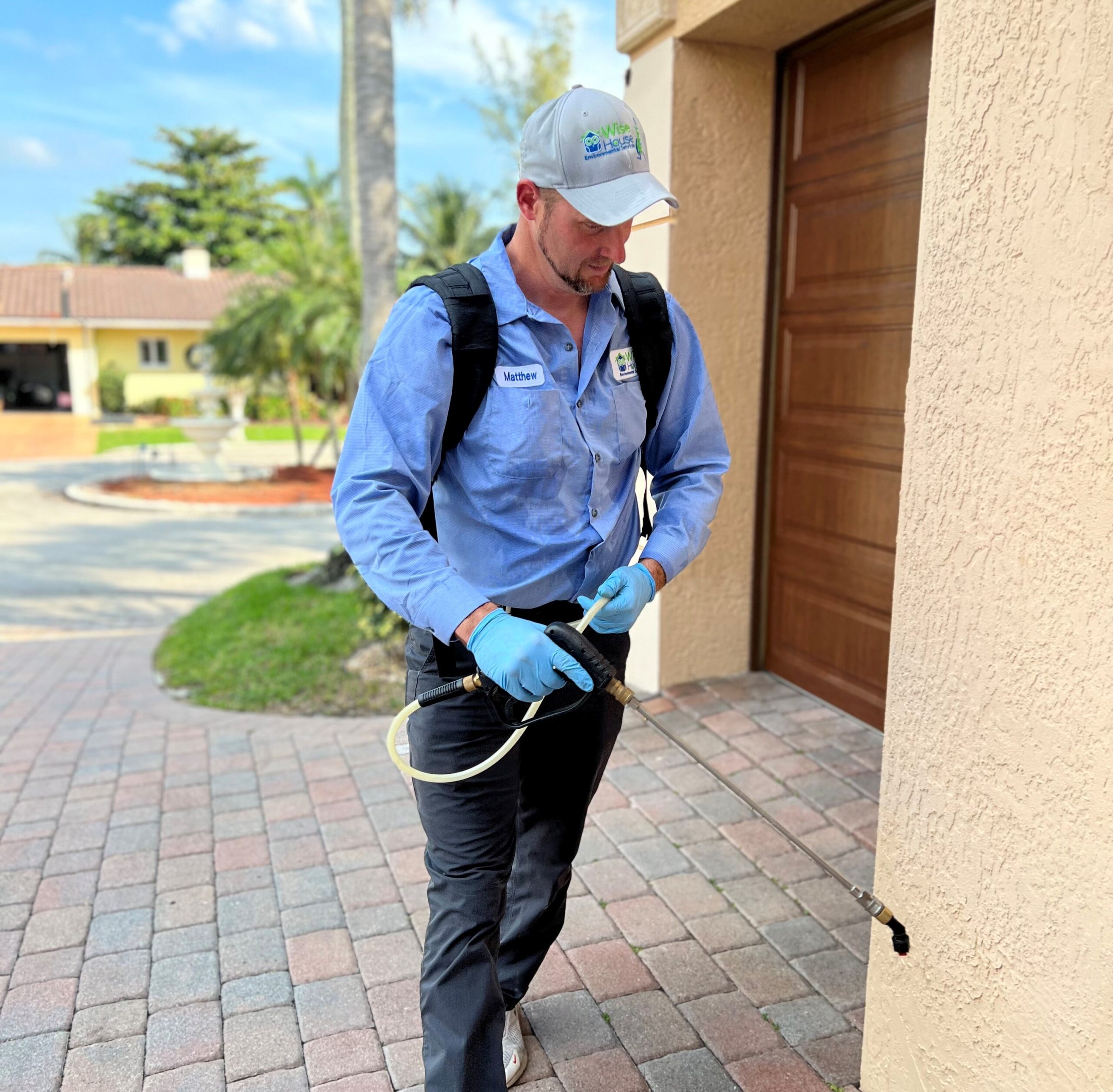
ant control services technician treating home

Have Questions? We've Got Answers

Frequently Asked Questions

The most effective approach to ant control in South Florida involves a combination of targeted treatments, including eco-friendly baits, slow-acting sprays, and dusts applied in wall voids, attics, or hidden areas. These treatments are typically used by licensed pest control professionals throughout Palm Beach County, Martin County, and Port St. Lucie to eliminate common household ants such as big-headed ants, ghost ants, and sugar ants.
Ant treatments often take up to two weeks to show full results. During this time, it’s normal to see both live and dead ants as the slow-acting products are designed to be transferred back to the colony. This allows the entire nest to be affected, which is especially important in areas like Boca Raton, Delray Beach, and Boynton Beach, where complex ant colonies are common.
Follow-up treatments are often necessary for stubborn infestations, especially when dealing with carpenter ants, fire ants, or large trailing colonies. In South Florida, it is common for reputable pest control providers to include follow-up services within 10 to 14 days of the initial visit to ensure full colony elimination.
Big-headed ants, ghost ants, white-footed ants, and carpenter ants are frequently found in homes across Palm Beach County, Martin County, and Port St. Lucie. Each species requires a different treatment method, which is why correct identification is a key part of professional pest control services.
It is not recommended to kill ants during an active treatment period. Ants play a critical role in carrying bait and treated materials back to the nest. Prematurely killing them can reduce the effectiveness of the treatment and prevent the full colony from being eliminated.