Blog Post

What’s the Best Mosquito Treatment for South Florida Homes?

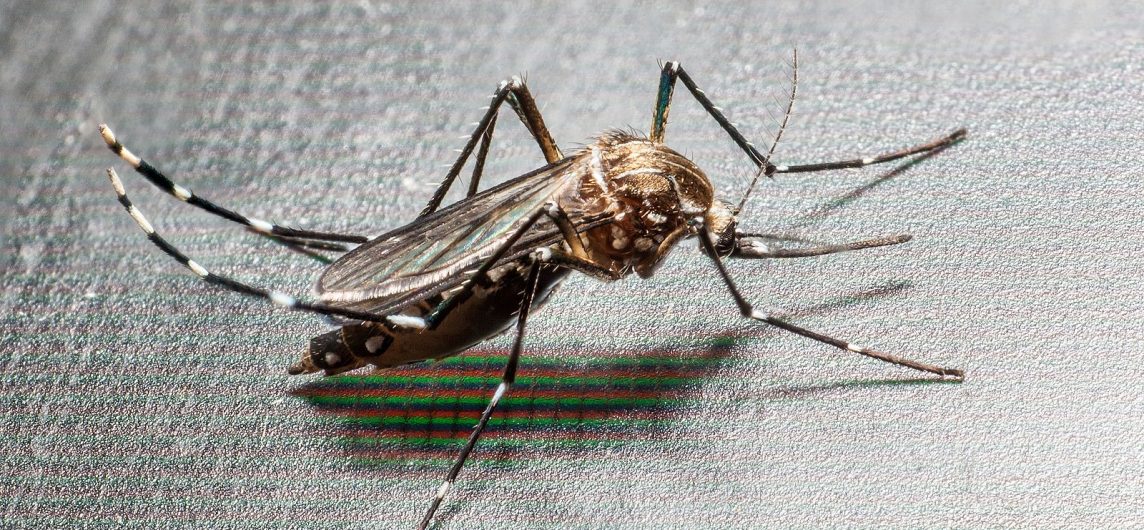
Close-up of a mosquito resting on a surface — a common pest in South Florida homes and backyards.
If you’ve ever tried to enjoy a summer evening in your backyard and got chased back inside by swarms of mosquitoes, you’re not alone. Across Palm Beach County and all the way up through Port St. Lucie, mosquito season feels like it never ends — because down here, it kind of doesn’t. So when people search “best mosquito treatment for Florida backyards,” what they’re really asking is:

“How do I make these mosquitoes stop ruining my life without bathing my family in chemicals?”

Let’s talk about what actually works in South Florida, and what’s just hype.

Fogging Alone Isn’t the Answer Anymore

Back in the day, mosquito control meant a guy showing up with a fogger, walking around your yard, and calling it a day. But in 2025, that’s considered old-school and honestly, kind of ineffective on its own.

Mosquitoes breed fast, they hide in hard-to-reach places, and they lay eggs anywhere water sits longer than a few days — think gutters, birdbaths, even a bottle cap left in the grass.

The best mosquito treatments in places like West Palm Beach, Delray Beach, and Stuart now take a multi-tool approach.

Here’s what that looks like.

Bonus Tip: DIY Treatments Help, But Only Go So Far

Mosquito dunks, citronella, and fans on the patio help reduce activity, but they won’t stop infestations if breeding sites are nearby.

What works best is combining DIY methods with professional-grade treatments and inspections. That’s how you actually take control of your yard.

Final Word

The best mosquito treatment for South Florida isn’t a one-and-done service. It’s a smart combo of inspection, standing water control, barrier treatments, and technology — done consistently by someone who understands how mosquitoes behave in your zip code.

Have Questions? We've Got Answers

Frequently Asked Questions

The most effective mosquito control combines barrier sprays, larvicides for standing water, and smart traps like In2Care for long-term reduction.
Professional barrier treatments usually last three to four weeks, depending on weather and rainfall. Regular follow-ups maintain consistent protection.
Yes — when applied by licensed professionals. Most modern products are EPA-approved and designed to be safe once dry, even for families with pets.

Heavy rain or nearby untreated yards can cause reinfestation. Consistent service and neighborhood-wide participation offer the best long-term results.

Monthly or bi-weekly treatments are ideal. Because of Florida’s warm, humid weather, mosquitoes breed nearly year-round.
Dump standing water weekly, run patio fans, trim vegetation, and use mosquito dunks in birdbaths or planters to prevent larvae from hatching.
In2Care traps attract female mosquitoes, infect them with larvicides, and allow them to spread it to other breeding sites — reducing populations efficiently.

Fogging helps reduce adult mosquitoes temporarily, but it doesn’t kill eggs or larvae. The best results come from combining fogging with larvicides and traps.

[DISPLAY_ULTIMATE_PLUS]