Blog Post

What Are the Safest Pest Control Products to Use Indoors?

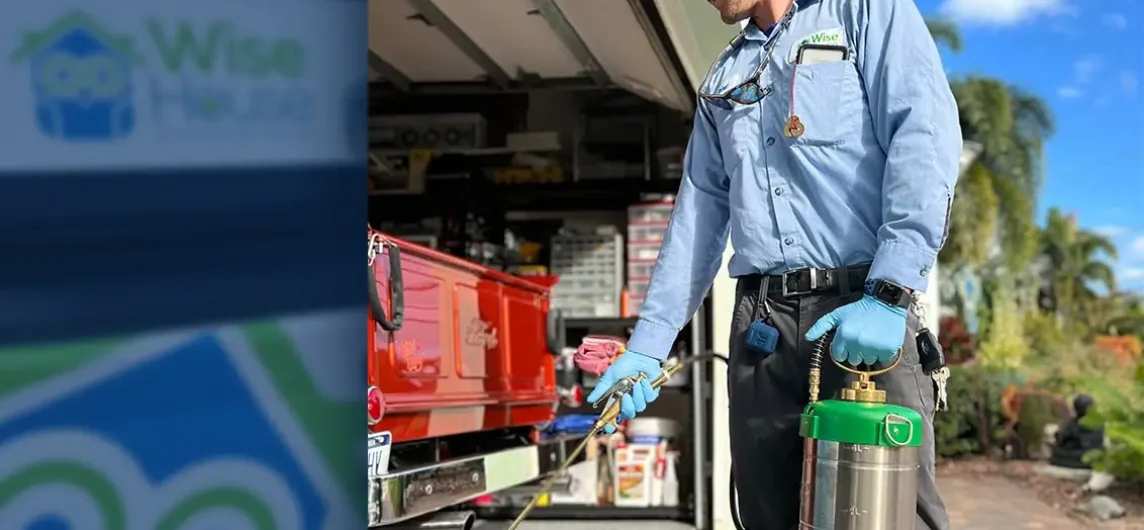
Wise House Environmental Services using low-toxicity sprays for ant control in South, Fl

Alright, let’s get into it. One of the most searched phrases across Palm Beach County, Martin County, and Port St. Lucie is something like:

“What bug spray is safe to use inside my house?”

“What bug spray is safe to use inside my house? What are the Safest Pest Control Products to Use Indoors”
And it makes total sense. Whether you’re in a condo in Boca Raton, a townhouse in Jupiter, or a family home in Port St. Lucie, nobody wants bugs. But nobody wants to gas their kids or pets either. So let’s talk facts.

Over-the-Counter Doesn’t Always Mean Safe

Just because something’s sold at a big box store in Lake Worth or a hardware shop in Stuart doesn’t mean it’s safe for your living room. Many store-bought sprays use synthetic pyrethroids, which are cousins to chemicals found in chrysanthemum flowers — sounds natural, but that doesn’t mean they’re risk-free when over-applied or misused indoors.
And let’s be honest, most people don’t read the label. They just spray the baseboards and hope for the best.

The Real “Safe” Products Are In the Application, Not Just the Ingredients

The truth is, it’s not just what you use — it’s how you use it. Here’s what to look for if you want an effective AND human-friendly indoor pest solution:

The Florida Rule of Thumb: Less is More Indoors

In South Florida, bugs come from the outside. That’s just reality. So instead of soaking your baseboards in bug spray every week, focus on exterior treatments and interior baiting, which is how the pros do it.

Final Thoughts

If you want true pest control without playing chemical roulette in your house, skip the foggers and repellent sprays. Go for targeted baits, non-repellent gels, and discreet dusts — and always read the label like your family’s health depends on it. Because it kind of does.

Have Questions? We've Got Answers

Frequently Asked Questions

The safest options include enclosed baits, insecticidal dusts used in wall voids, and low-toxicity gels. These stay localized and avoid airborne exposure.
Some are, but many contain synthetic pyrethroids that can irritate lungs or skin when overused. Always read the label and follow ventilation instructions.
They can be, but “natural” doesn’t always mean non-toxic. Overuse of essential oils like clove or thyme can trigger allergies or respiratory irritation.
Use enclosed baits and non-repellent gels. Avoid open sprays, foggers, or powders that pets could lick or inhale. Always wait until surfaces are dry before letting pets roam.
Seal cracks, eliminate food crumbs, fix leaks, and use sticky traps. Focus on prevention and cleanliness before applying any pest control products.
Yes — when used correctly. Professionals apply boric acid or diatomaceous earth inside wall voids, outlets, or behind appliances, not on open floors.
Gel baits with Indoxacarb or Hydramethylnon are highly effective and safe when used indoors. They target colonies without spreading airborne chemicals.
Yes, especially for recurring problems. Licensed pros use low-toxicity, EPA-approved products and apply them safely where pests live — not where people do.
[DISPLAY_ULTIMATE_PLUS]