Blog Post

Tiny Black Ants in the Kitchen: What They Are and How to Actually Get Rid of Them

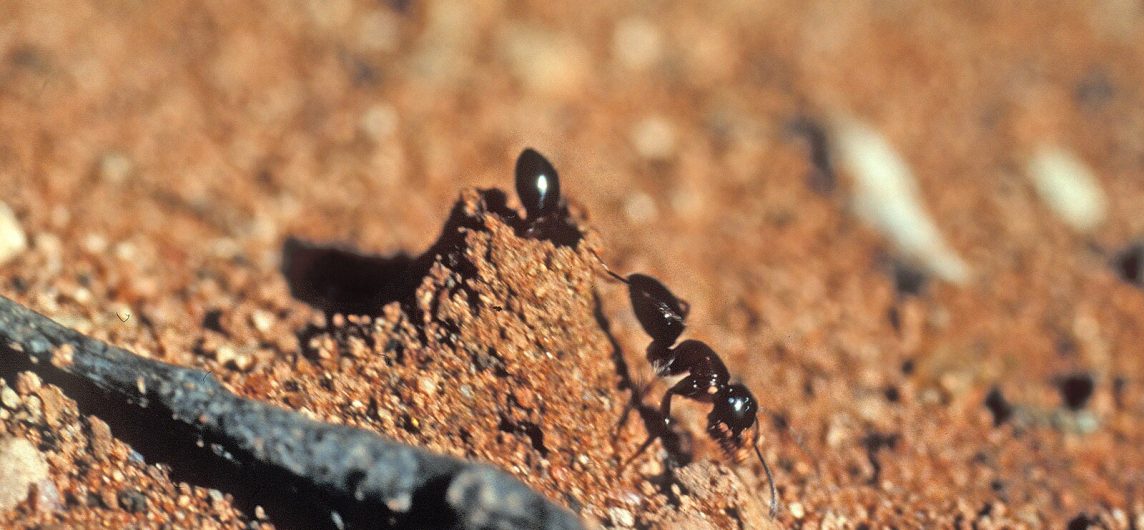
Camponotus armstrongi ants, sugar ant on their nest.

We get this call every single day.

“Hey, I’ve got these little black ants all over my counters. They come out of nowhere. What are they and how do I make them stop?”

If you live anywhere from Boynton Beach to Port St. Lucie, you’ve seen these guys. They show up like clockwork when the weather warms up or right after a good rain. Let’s talk about who they are, why they love your kitchen, and what works to actually get them out for good.

What Are These Ants Anyway?

In most South Florida homes, the tiny black ants in your kitchen are usually one of three suspects:

Each one behaves a little differently, but they’re all there for the same reason: sugar, grease, moisture, and crumbs.

Why Your Kitchen? Because You’re Feeding Them.

Let’s be real — your kitchen is the hotspot.
Even if you’re clean, ants are working 24/7 with their antennae up like little Wi-Fi signals. They can track down the tiniest food particles in your cabinet seams, under your fridge, or behind the dishwasher.
One drop of juice on the counter or one granule of sugar near the coffee maker is enough to start an ant parade across your backsplash.

DIY Tip: Don’t Spray Them — Bait Them.

Here’s where most people mess up.
You see ants, grab a can, spray. They’re gone.
The next day, they’re back, and now they brought friends.
That’s because spraying only kills the visible ants. It doesn’t touch the colony, which could be hidden behind baseboards, in wall voids, or even outside near the foundation.

What Works Better:

Use slow-acting ant bait. The kind that ants bring back to the nest. It might take a few days, but it wipes out the whole colony at the source.

You can find baits labeled for sugar-feeding ants at most hardware stores, but they have to be placed correctly — and the ants need to accept it. If they don’t, the bait is useless.

Best Places to Put Ant Bait in the Kitchen:

Pro Tip: Don’t clean up the ant trails until after they’ve taken the bait. Those trails are how they navigate. Remove them too soon, and they’ll scatter and start a new colony elsewhere.

When to Call a Professional

If you’ve tried baits and nothing’s changed after 5 to 7 days — or if the ant activity is spreading to bathrooms, laundry rooms, or pantries — that’s your cue.

In places like Jupiter, Wellington, and West Palm Beach, where ants thrive thanks to moisture and landscaping, recurring service is usually the only long-term solution.

Ants are persistent, smart, and they adapt quickly. That’s why most homeowners in Palm Beach County and the Treasure Coast eventually rely on human and pet-friendly pest control plans that prevent re-infestation and keep ants out for good.

Final Thoughts

Tiny black ants in the kitchen are more than just annoying. They’re a signal that something in or around your home is drawing them in. By identifying the species, using the right bait, and being strategic with placement, you can control them. But if the trail turns into a highway, it’s time to bring in help.

Have Questions? We've Got Answers

Frequently Asked Questions

In South Florida, tiny black ants are usually ghost ants, big-headed ants, or odorous house ants — all drawn to sugar, grease, and moisture in kitchens.
Ants return because they leave scent trails. If the colony isn’t eliminated at the source, new foragers will follow the same path back inside.
No. Spraying only kills visible ants and can make the colony split — a behavior called “budding.” Using slow-acting bait works far better.
Choose sweet gel or liquid baits labeled for sugar-feeding ants. Brands using Indoxacarb or Borax are effective and safe when used correctly.
Put bait along baseboards, under sinks, and behind appliances like the fridge and stove. Don’t clean trails until after ants carry the bait away.
You’ll see a major reduction in about 5 to 7 days. It takes time because worker ants must bring the bait back to the colony before it spreads.
Yes, most enclosed baits are safe when placed correctly. Always follow label directions and keep them out of reach of children and animals.
If bait doesn’t work after a week or ant trails spread to multiple rooms, call a professional for long-term prevention and colony elimination.
[DISPLAY_ULTIMATE_PLUS]