
Disclaimer: This article discusses general consumer safety information about cardboard packaging and pest control. Brand names mentioned are used for informational and educational purposes only. We are not affiliated with, endorsed by, or sponsored by any delivery or retail companies mentioned. The information presented is based on publicly available sources, pest control research, and consumer experiences.
There’s nothing quite like the dopamine hit of seeing that “Out for Delivery” notification. But what if I told you that your Amazon addiction might be bringing more than just that new pair of shoes or phone charger into your home?
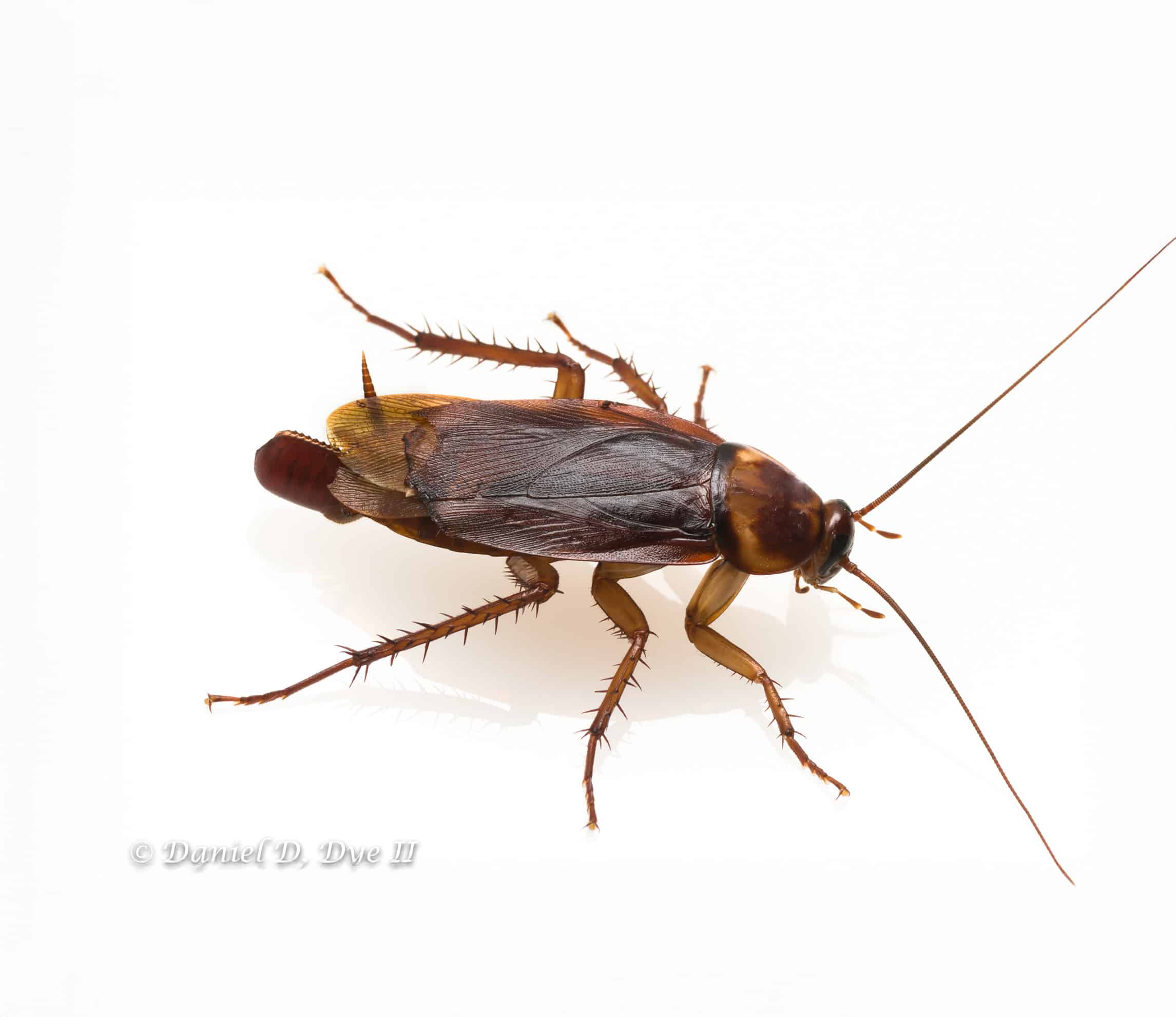
Recent viral warnings from pest control experts and delivery drivers have online shoppers everywhere rethinking where they open their packages, and for good reason. Those innocent-looking cardboard boxes stacked by your front door could be harboring German cockroaches, one of the most destructive and hardest-to-eliminate pests in existence.
A TikTok user named Niamh recently went viral with a video showing her entire kitchen gutted – every cabinet emptied, every corner exposed – all because she opened the wrong Amazon package inside her house. “Freakin’ German roaches,” she explained to her followers. What started as spotting just five cockroaches quickly turned into them “scurrying everywhere fast.”
The damage? A complete fumigation of every crack and crevice in her home. The cost? Hundreds of dollars for professional pest control. One commenter shared a similar nightmare: “We had the same problem in NJ with a walking pad, opened it with tons of baby roaches in it. $400 later for Orkin to come.”
Other homeowners have reported paying as little as $295 for light infestations and upwards of $695 for more moderate infestations.
But here’s the really unsettling part: This isn’t isolated. It’s happening to online shoppers across the country, and pest control experts say cardboard boxes – particularly from large warehouses – are a major source of German cockroach infestations.
“How do I make these mosquitoes stop ruining my life without bathing my family in chemicals?”

Believe it or not, cockroaches eat cardboard. The organic fibers that make up cardboard - derived from trees - provide sustenance for these insects. The glue used in cardboard manufacturing even gives off a sweet scent that attracts them like a buffet sign.

Those corrugated layers create tiny crevices where roaches can hide from light and predators. Their flexible bodies allow them to squeeze into impossibly tight spaces, making the flaps and folds of cardboard boxes ideal hiding spots.

Female German cockroaches prefer secluded, dark areas to lay their egg cases (called oothecae). Each egg case can contain 30-40 eggs, and cardboard boxes provide the perfect nursery. The crescent-shaped, purse-like egg sacs attach easily to the rough texture of cardboard.

Cardboard absorbs and holds moisture - something cockroaches desperately need to survive. When boxes sit in humid warehouses, damp delivery trucks, or your garage, they become even more attractive to these pests.

Cockroaches are nocturnal and hate light. Cardboard boxes, especially when stored in closets, basements, or garages, provide the dark environment they crave.
While Amazon has stated there’s “no evidence” their packages bring in pests and called such claims “irresponsible,” pest control experts and even Amazon’s own delivery drivers tell a different story.
One Amazon delivery driver went viral warning customers about a fellow driver whose car was so infested with roaches that they were “crawling around in the daytime” – a sign of a severe infestation, since roaches are normally nocturnal. This driver was actively loading packages into a roach-infested vehicle.
Think about it: Amazon warehouses are massive facilities storing millions of products from around the world. Items arrive from international suppliers, sit in various warehouse locations, get loaded onto trucks, transferred between facilities, and finally delivered to your doorstep. That’s a lot of opportunities for hitchhikers.

A female German cockroach can produce 300-400 offspring in her lifetime. Within just a few months, a small population can explode into a full-blown infestation.

German cockroaches aren't naturally found in most areas—they're transmitted through human activity. Once they establish themselves in your home, they're incredibly difficult to eliminate.

Yes, you read that right. As one former pest control technician commented, "German cockroaches are harder to get rid of than bedbugs." They've developed resistance to many common pesticides and can survive in minimal conditions.

German cockroaches are living reservoirs for bacteria including Salmonella, Staphylococcus, and Streptococcus. They contaminate food, surfaces, and even the air with their feces, shed skin, and saliva—all of which can trigger allergies and asthma, especially in children.

Lift all flaps and examine the corrugated layers

Watch for crescent-shaped, purse-like objects (oothecae) attached to the cardbox or items

Even a single cockroach means there could be more
If you suspect you’ve introduced cockroaches via a package, act immediately:

The sooner you address it, the easier it is to control. A small problem can become a nightmare in weeks.

Get that box (and any other cardboard) out of your house immediately. Seal it in plastic bags before disposal.

Vacuum everywhere the package was, including baseboards and corners. Dispose of the vacuum bag or empty the canister outside immediately.

German cockroaches are not a DIY project. Store-bought sprays often make the problem worse by scattering roaches throughout your home. Professional pest control companies have access to more effective treatments and know how to target cockroach hiding spots.

If your infestation clearly came from a delivery package, document it with photos and contact the retailer. Some customers have successfully gotten companies to pay for fumigation costs.
Look, we're not saying you need to give up online shopping (let's be realistic - that's not happening). But this is a wake-up call to change how you handle deliveries.
Opening packages outside and immediately disposing of cardboard isn't paranoid - it's practical. The few extra minutes it takes to inspect packages outside could save you hundreds or thousands of dollars in pest control costs, not to mention the stress and health risks of a cockroach infestation.
As one savvy commenter put it: "Not every package will have hitchhikers, but why take the chance?"
If you're dealing with a cockroach problem - whether from delivery boxes or any other source - don't wait for it to get worse. German cockroaches reproduce so quickly that delays measured in days can mean the difference between a minor issue and a major infestation. At Wise House Pest Control, we've seen firsthand how devastating these invasions can be. We use safer, more effective treatments that target cockroaches where they hide, breed, and travel - not just where you see them.
Boynton Beach
West Palm Beach
Lantana
Port St. Lucie
And more
Don’t let online shopping convenience turn into a pest control nightmare. Call us at (561) 727-8239 or visit wisehousebugs.com for a free inspection.
Remember: The best pest control is prevention. The second best? Calling professionals before a small problem becomes an expensive disaster.
Have you found cockroaches in a delivery package? We’d love to hear your story in the comments below – your experience could help other shoppers stay vigilant!