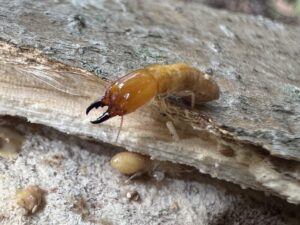
Pyramid Ant
Dorymyrmex insanus
Pest Stats

Color
Vary in color from dark brown to pale blond ants

Size
About 1/8 inch long.

Shape
Segmented body with a two-segment waist, clubbed antennae, and a stinger.

Region
Native to South America, these ants have expanded into the Southeastern U.S., including Florida, Georgia, and Alabama.

What is Pyramid Ant?
Pyramid ant infestations are common in Florida’s dry, sandy environments, where these fast-moving ants build distinctive cone-shaped nests in lawns and open soil.
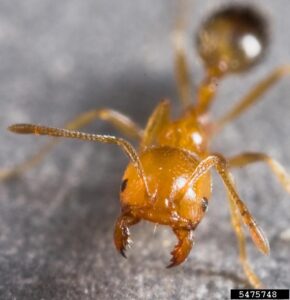
Pyramid ants (Dorymyrmex spp.) are small, fast-moving ants commonly found in dry, sandy soils across South Florida. They get their name from the distinct cone-shaped projection on their thorax, which helps distinguish them from other ant species. These ants belong to the Dolichoderinae subfamily, identified by a single hump between the thorax and abdomen and the absence of a stinger. Color varies by species and may appear light red, yellowish, or dark brown. Pyramid ants build cone-shaped, volcano-like mounds with a central entrance and are often seen foraging for insects and honeydew from aphids.
What Do Pyramid Ants Look Like?
Pyramid ants are easily recognized by their cone-shaped mounds with a central entrance, commonly found in dry, sandy soils across South Florida. These ants belong to the Dolichoderinae subfamily, characterized by a single "hump" between the thorax and abdomen and the absence of a stinger. Their most distinctive feature is a cone-shaped projection on the thorax, setting them apart from other ants. Two common species, Dorymyrmex bureni (light red to yellow) and Dorymyrmex medeae (dark brown to black), are frequently found in lawns, gardens, and sandy areas.
Read More
Similar Ants
- Ghost Ants (Tapinoma melanocephalum)
- Crazy Ants (Paratrechina longicornis)
- Big-Headed Ants (Pheidole spp.)
Biology of Pyramid Ants
Pyramid ants get their name from the distinct conical projection on top of their thorax. These single-node ants primarily nest in soil, forming circular crater-like openings in open areas or hiding under rocks, logs, or debris. While they rarely invade homes, they may occasionally enter while foraging for food. Outdoors, they feed on live and dead insects and are especially attracted to honeydew from plant-feeding insects. Their colonies remain relatively small, typically consisting of only a few thousand workers.
Habits, Behaviors, Dangers of Pyramid Ants
Pyramid ants (Dorymyrmex spp.) are soil-nesting ants commonly found in dry, sandy areas across Florida. They build distinctive volcano-shaped, cone-like mounds with a central entrance and prefer open spaces, often nesting in lawns, gardens, and near sidewalks. These ants are active foragers, feeding on dead insects and honeydew from aphids, which makes them generally beneficial to local ecosystems.
However, their small colonies can still become a nuisance in residential areas, especially when mounds appear throughout yards. While pyramid ants do not sting or invade homes, their presence can disrupt landscaping and outdoor spaces. To effectively manage pyramid ant populations, professional pest control services in Florida can provide targeted treatments and prevention strategies.
5 Ways To Prevent Pyramid Ants in Your Home
Seal Entry Points
Inspect your home's exterior for cracks, gaps, and openings, especially around doors, windows, and utility lines, and seal them with silicone-based caulk to block potential entryways.
Eliminate Moisture Sources
Repair leaky pipes, ensure proper ventilation in attics and crawl spaces, and address any moisture buildup within walls to create an inhospitable environment for Pyramid Ants.
Maintain Landscaping
Keep tree branches and shrubbery trimmed away from the house to prevent ants from using them as bridges to enter your home.
Properly Store Firewood and Building Materials
Store firewood at least 20 feet away from the house and five inches off the ground, and eliminate piles of lumber, bricks, or other debris that could serve as nesting sites for Pyramid Ants.
Use Insecticide Barriers
Apply a residual insecticide barrier along the foundation of your home to deter ants from entering.
Need Help Getting Rid of Pyramid Ants?
Contact Wise House Pest Control at 1-800-283-1559 for more information and a free quote on ant control services.
5 Ways To Keep Pyramid Ants Out Of Your Home
Following these tips for both inside and outside your home can help prevent Pyramid Ants from becoming a problem. If they’re still persistent, Wise House Pest Control is ready to provide professional support and keep your home ant-free.
Store Food Properly
Ants are highly attracted to food inside the home. Keep food stored in airtight containers, clean up crumbs or spills immediately, and regularly empty trash bins with food waste.
Clean Regularly
Ants are resourceful and will find even the smallest bits of food. Regularly sweep, mop, and wipe down countertops, especially in the kitchen and dining areas, to remove potential food sources. Pay attention to corners and crevices where crumbs might gather.
Reduce Moisture
Fix leaks and eliminate damp areas to remove the moisture that Pyramid Ants seek out. Repair dripping faucets, leaky roofs, or poor drainage, and replace any damp or rotting wood.
Seal Cracks and Gaps Indoors
Just as with the exterior, inspect your home’s interior for small cracks or gaps where ants could enter. Seal any visible openings, especially around windows, door frames, baseboards, and along the edges of cabinets.
Don’t Leave Pet Food Out Overnight
If you have pets, avoid leaving their food out overnight. Ants are attracted to pet food, so clean up any leftover food, or place pet dishes in a shallow tray of water to create a barrier.
Our Customers Love Us!
See What They Are Saying
- Michael C.
- John U
- Benjamin N.
- Bob G.
- Aaron C.

Dedicated To Being The Pest Control Company You Can Rely On
Request a professional estimate!
Request a Profesional Ant Quote!
Get an estimate!
Wise House News Flash
Learn Tips and Tricks to Keep Your Family and Pets Safer
Have Questions? We've Got Answers
Frequently Asked Questions
What are pyramid ants?
Pyramid ants (Dorymyrmex spp.) are small, fast-moving ants commonly found in dry, sandy areas of South Florida. They are named for the distinct cone-shaped projection on their thorax, which helps identify them.
Why are they called pyramid ants?
They are called pyramid ants because of the pyramid- or cone-shaped structure on the top of their thorax. This feature is unique and sets them apart from many other ant species.
Where do pyramid ants usually nest?
Pyramid ants nest in soil and prefer open, sunny locations. Their nests are easily recognized by cone-shaped or volcano-like mounds with a central entrance, often found in lawns, gardens, sidewalks, and sandy areas.
Are pyramid ants dangerous?
Pyramid ants are not considered dangerous to people or pets. They do not have a stinger and rarely bite, but they may become a nuisance when large colonies are present outdoors.
How do you get rid of pyramid ants?
Effective control focuses on treating the nest directly using targeted outdoor ant treatments. Because they live in soil, surface sprays alone are usually ineffective for long-term control.
Should I use store-bought ant sprays for pyramid ants?
Most over-the-counter sprays provide only temporary relief. Professional treatments are more effective because they target the colony rather than just visible ants.
Do pyramid ants come inside homes?
Pyramid ants are primarily outdoor ants. Indoor sightings are uncommon and usually happen when ants are foraging or when outdoor conditions such as heat or drought push them closer to structures.
What do pyramid ants eat?
They feed on live and dead insects and honeydew produced by aphids and other sap-feeding insects. Their diet makes them beneficial in some ecosystems, but large populations can still be problematic near homes.
How can I identify a pyramid ant mound?
Pyramid ant mounds are small, cone-shaped, and often described as volcano-like, with a single opening at the top. These mounds are usually found in dry, sandy soil.
Why do pyramid ants build mounds in my yard?
They prefer well-drained, sandy soil and open areas with sunlight. Lawns, landscaped beds, and sidewalk edges provide ideal nesting conditions.
Do pyramid ants cause structural damage?
No. Pyramid ants do not damage structures or wood. However, their mounds can be unsightly and may interfere with turf, walkways, or landscaping.
When should I call a pest control professional?
If pyramid ant mounds are spreading across your lawn, returning after treatment, or becoming a nuisance around your home, professional pest control can provide long-term, targeted solutions.