
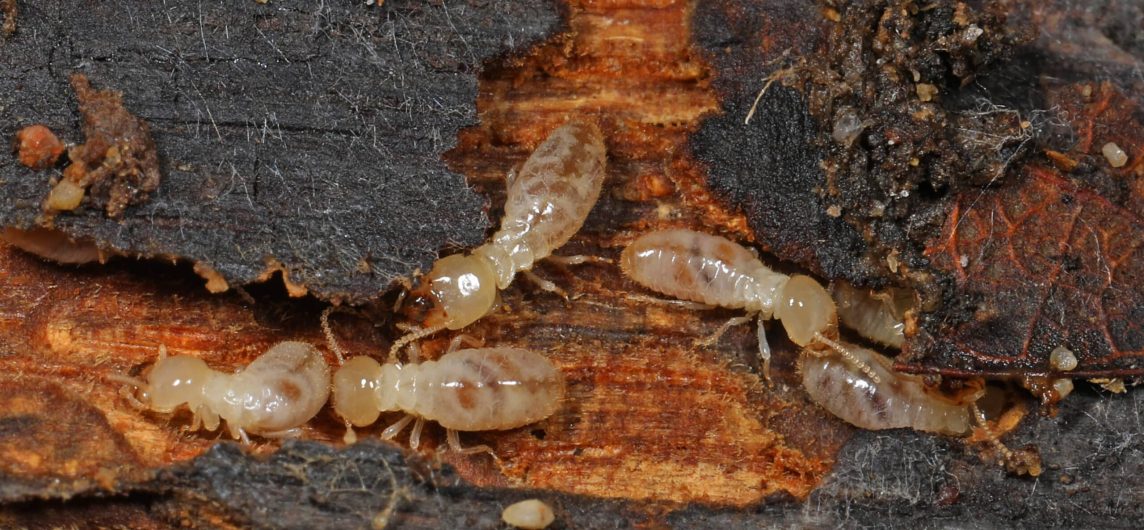
When technicians visit homes in areas like Delray Beach or Wellington, they’re trained to:
Most people don’t. That’s the scary part. Subterranean termites build mud tubes along foundation walls or pipes. Drywood termites leave behind small piles of droppings, called frass, that look like fine sawdust. If you’re seeing swarming bugs with long wings in spring or summer, it could be termites, not flying ants. And yes, there’s a difference.
Let’s be real — termites are part of the deal when you live in a beautiful tropical climate. Homes in areas like Jupiter Farms, Royal Palm Beach, or even coastal neighborhoods in Stuart are surrounded by moisture and wood. Add in older construction, crawlspaces, or decorative wood trim, and it’s not a question of if — it’s when.
You’ve got options. Subterranean termites are typically treated with a liquid barrier around the home or bait stations in the ground. Drywood termites may require localized treatments or full fumigation, depending on the level of infestation. The key is early detection and professional monitoring. Termite damage isn’t covered by homeowners’ insurance in Florida, so waiting is never in your favor.