Blog Post

What Is Termite Awareness Week and Why Florida Homeowners Should Pay Attention

Every March, the National Pest Management Association (NPMA) designates a week to raise awareness about one of the most destructive and costly pests in America: termites. Termite Awareness Week isn’t just another observance to add to your calendar – it’s a critical reminder for homeowners, especially in Florida, to take stock of their termite risk and protection strategies. If you’re a Florida homeowner, this week should be at the top of your priority list. Here’s why.

What Exactly Is Termite Awareness Week?

Termite Awareness Week, established by the National Pest Management Association (NPMA), is an annual campaign designed to educate homeowners about the significant threat termites pose to residential properties across the United States. The campaign takes place each spring – typically the first full week of March – coinciding with the season when termite activity begins ramping up in many parts of the country. The goals of Termite Awareness Week are straightforward but vital:

What started as a small industry initiative has grown into a nationwide effort involving pest control companies, homeowner associations, and local governments working together to protect properties from these silent destroyers.
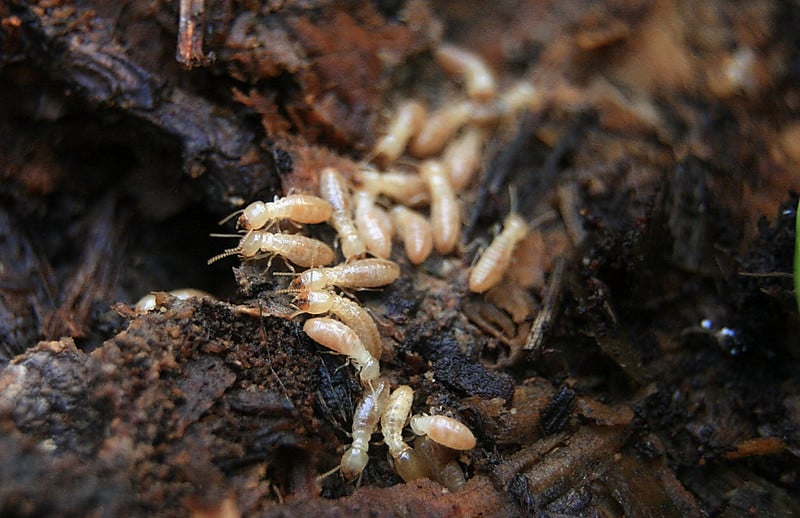
Close-up of a Pacific dampwood termite (Zootermopsis angusticollis) on decaying wood, highlighting its role in structural damage in South Florida homes

“How do I make these mosquitoes stop ruining my life without bathing my family in chemicals?”

The Termite Problem: By the Numbers

Before we dive into why Florida homeowners should be particularly concerned, let’s look at the scope of the termite problem nationwide:

National Statistics:

These numbers are staggering – but for Florida homeowners, the risk is even higher.

Why Florida Is Termite Ground Zero

Florida isn’t just at risk for termite problems—it’s one of the highest-risk states in the entire country. Several factors combine to make the Sunshine State a termite paradise:

1. Year-Round Activity

Unlike northern states where termites go dormant during cold winters, Florida’s subtropical climate means termites are active 365 days a year. There’s no seasonal break, no winter slowdown—just constant, relentless activity. What this means for you: While homeowners in colder climates can sometimes catch a break during winter months, Florida termites are eating, breeding, and expanding their colonies every single day of the year.

2. Multiple Aggressive Species

Florida is home to several termite species, including some of the most destructive varieties in the country:
Termites Icon

Subterranean Termites:

The most common type, living in soil and building mud tubes to access above-ground wood sources. They're found throughout the entire state.

Termites Icon

Formosan Termites:

Sometimes called "super termites," these aggressive insects can have colonies containing millions of individuals—ten times larger than native subterranean termite colonies. They're particularly prevalent in South Florida and coastal areas.

Termites Icon

Drywood Termites:

Unlike their subterranean cousins, these termites live directly in the wood they consume and don't need soil contact. They're especially common in coastal Florida.

Termites Icon

Dampwood Termites:

Less common but still present, particularly in areas with moisture issues or water-damaged wood.

3. Perfect Environmental Conditions

Florida’s climate creates ideal termite conditions:

4. Vulnerable Construction

Many Florida homes have features that make them particularly susceptible to termite damage:

5. Storm and Hurricane Damage

Florida’s hurricane and tropical storm seasons create additional termite vulnerabilities:

The Florida Termite Risk Map

The National Pest Management Association (NPMA) uses a risk scale from "Slight" to "Heavy" to categorize termite risk across the country. All of Florida falls into the "Heavy" or "Moderate to Heavy" risk categories - the highest classifications available. Breaking it down by region:

South Florida (Miami, Fort Lauderdale, West Palm Beach, the Keys):

HEAVY - The highest risk zone, with year-round swarming and multiple aggressive species including Formosan termites.

Central Florida (Orlando, Tampa, St. Petersburg):

HEAVY - Still extremely high risk, with all major termite species present and active.

North Florida (Jacksonville, Tallahassee, Pensacola):

MODERATE TO HEAVY - Slightly lower risk than southern areas but still significantly higher than most of the country.

For comparison, vast swaths of the northern United States fall into “Slight” or “Moderate” risk categories. Florida homeowners face a completely different level of threat.

The Real Cost of Ignoring Termite Awareness Week

It's easy to dismiss Termite Awareness Week as industry hype - until you consider what termite damage actually costs Florida homeowners.

Direct Financial Impact

Immediate repair costs: When termites damage structural wood, repairs aren’t optional. Costs vary based on severity:
Treatment costs: Professional termite treatment in Florida typically ranges from:

Indirect Costs

Property value impact:

Homes with termite damage or history of infestation often sell for less. Even after repairs, disclosure requirements mean potential buyers know about past problems.

Insurance complications:

Most homeowner's insurance policies specifically exclude termite damage. You're paying out of pocket for every penny of repairs.

Inspection requirements:

When selling your home in Florida, termite inspections (WDO/WDI reports) are typically required by lenders. Active infestations or damage must be disclosed and often treated before closing.

Lost time and stress:

Dealing with termite damage means coordinating inspectors, contractors, and pest control professionals while living in a partially uninhabitable home.

The Hidden Danger: Damage Before Detection

Perhaps the most insidious aspect of termite damage is that it often goes undetected for months or years. Termites eat wood from the inside out, leaving a thin veneer that looks intact while the interior is hollow. By the time visible signs appear - sagging floors, hollow-sounding wood, stuck windows or doors, visible mud tubes-significant damage has often already occurred. This is why preventive awareness and regular inspections are crucial.

What Termite Awareness Week Means for Your Action Plan

Termite Awareness Week isn't just about knowing termites exist - it's about taking concrete steps to protect your home. Here's what this week should prompt you to do:

1. Schedule a Professional Inspection

If you haven’t had a termite inspection in the last 12 months, schedule one now. Professional inspectors:
In Florida, annual termite inspections should be standard practice, not just something you do when selling your home.

2. Conduct Your Own Visual Inspection

Between professional inspections, you should regularly check for warning signs:

Exterior inspection:

Interior inspection:

3. Implement Prevention Strategies

Many termite prevention measures are straightforward and cost-effective:

Moisture control:

Eliminate wood-to-soil contact:

Seal entry points:

Maintain landscaping:

4. Consider Professional Treatment

Even if you don’t currently have termites, preventive treatment makes financial sense in Florida’s high-risk environment.

Treatment options:

Cost-benefit analysis: Spending $1,200-$2,500 on preventive treatment can save you $3,000-$30,000+ in damage repairs. In Florida’s high-risk zones, this is insurance that actually makes sense.

5. Educate Yourself

Use Termite Awareness Week as an opportunity to learn:

Our Termite Awareness Week Blog Series

To help you make the most of Termite Awareness Week, we've created a comprehensive series of blog posts covering everything Florida homeowners need to know about termite protection:

Termites Icon

What Are the Most Effective Eco-Friendly Pest Control Methods for Homes?

Discover natural pest prevention strategies that work for general pest control, and understand when professional intervention becomes necessary for serious problems like termites.

Termites Icon

How Can I Find a Reliable Termite Extermination Service in South Florida?

Learn how to vet termite control companies, what qualifications to look for, red flags to avoid, and questions to ask before hiring anyone to protect your home.

Termites Icon

What Should I Look for in a Pest Control Company for My Home?

A comprehensive guide to choosing pest control professionals, covering licensing, certifications, treatment approaches, and service quality indicators.

Termites Icon

Are There Any Natural Solutions for Termite Problems in South Florida?

An honest assessment of natural termite control methods—what works, what doesn't, and when eco-friendly approaches need to be supplemented with professional treatments in Florida's challenging climate.

Termites Icon

How Do I Choose the Best Pest Control Service for Eco-Friendly Options?

Navigate the world of green pest control, learn to spot greenwashing, and find truly eco-conscious companies that balance environmental responsibility with effective termite protection.

The Bottom Line: Don't Wait Until It's Too Late

Termite Awareness Week exists because termites represent one of the few home maintenance issues where ignorance literally costs thousands of dollars. In Florida, where the risk is among the highest in the nation, treating this week as a meaningful reminder isn't optional - it's essential financial planning. Consider these facts:

The question isn’t whether you can afford termite protection – it’s whether you can afford not to have it.

Take Action This Termite Awareness Week

Here's your Termite Awareness Week action checklist:

This Week:

This Month:

This Year:

Wise House Pest Control: Your Termite Awareness Week Partner

At Wise House Pest Control, we understand that Florida homeowners face unique termite challenges. Our licensed professionals have extensive experience with all termite species common to South Florida, from subterranean to Formosan to drywood varieties.
Our Termite Awareness Week Services:

Two Convenient Locations:

Home icon

Lantana Office

1177 Hypoluxo Rd Suite C-31 Lantana, FL 33462 (561) 727-8239

Home icon

Port St Lucie Office

464 NW Peacock Blvd, Unit 106 Port St Lucie, FL 34986 (772) 783-4300

This Termite Awareness Week, Make the Smart Choice

Termites don't take breaks. They don't observe holidays. They work 24/7/365 to find and consume the wood in your home. The only question is whether you'll address the threat proactively or reactively. Proactive homeowners schedule inspections, implement prevention strategies, and invest in professional treatment before damage occurs. They save money, preserve their property values, and sleep soundly knowing their homes are protected. Reactive homeowners wait until they see mud tubes, discover sagging floors, or hear hollow-sounding wood. By then, the damage is done, and the costs are inevitable. Contact Wise House Pest Control today to schedule your free termite inspection. Because in Florida, termite protection isn't optional - it's essential.

Have Questions? We've Got Answers

Frequently Asked Questions

Termite Awareness Week 2026 takes place during the first full week of March (March 1-7). The National Pest Management Association designates this week annually to raise awareness about termite prevention and professional inspections. For Florida homeowners, termite vigilance should extend year-round due to our subtropical climate that keeps termites active 365 days a year.
Florida’s year-round warm temperatures and high humidity create perfect conditions for termites to thrive continuously without seasonal dormancy. The state hosts multiple aggressive species including Formosan “super termites” with colonies ten times larger than typical termites. These factors place all of Florida in the “Heavy” termite risk category—the highest classification in the United States.
Termite damage repairs range from $500-$2,000 for minor damage to $10,000-$30,000+ for severe structural damage, with most homeowners paying $3,000-$8,000. Treatment costs add another $1,200-$3,000 depending on the method used. Homeowner’s insurance typically doesn’t cover termite damage, meaning you pay 100% out of pocket.
Look for mud tubes on foundation walls, discarded termite wings near windows or doors, and hollow-sounding wood when tapped. Interior signs include sagging floors, windows or doors that suddenly stick, and small piles of sawdust-like droppings. Termites often cause extensive damage before visible signs appear, which is why professional inspections are crucial.
[DISPLAY_ULTIMATE_PLUS]