Blog Post

Termites vs. Carpenter Ants in Florida: How to Tell the Difference Before It’s Too Late

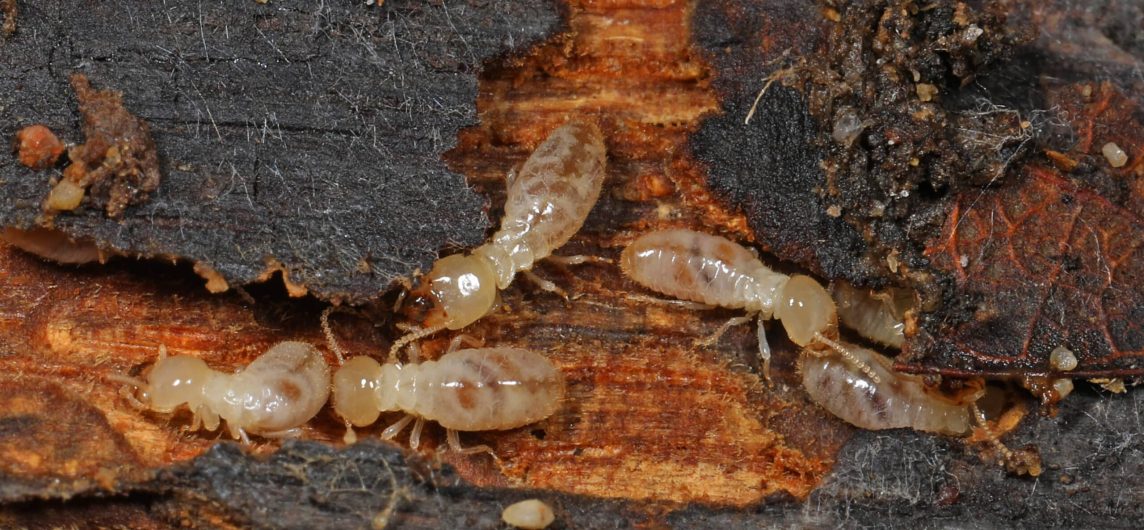
Close-up of an Eastern subterranean termite (Reticulitermes flavipes) on decaying wood, highlighting its role in structural damage in South Florida homes
Let’s set the scene. You’re brushing your teeth in your Boca Raton home and suddenly there’s a winged bug crawling out of your baseboard. Next thing you know, the same thing’s happening in your parents’ place in Jensen Beach. And here’s where the panic sets in.

Is it a termite? Or just a carpenter ant?

They both swarm and have wings. Both can come in through the tiniest crack. But only one is going to eat your house from the inside out. So let’s break it down in plain language.

The Wings: All About That Symmetry

Termites have wings that are the same length on both sides. Think long, sleek, and equal — like a tiny flying kayak paddle. Carpenter ants have wings too, but their front pair is noticeably longer than the back. That’s clue number one. So next time you find a winged insect on your bathroom tile, grab a piece of white paper and look at the wing sizes. If it’s symmetrical, time to call a pro.

The Waist: Termites Are Built Like Sausages

Sounds weird, but it’s true. Termites have straight waists — no pinching or curves. They look like a tiny grain of rice with wings. Carpenter ants, on the other hand, have that classic ant figure. Narrow, pinched waist like a little Barbie doll. Not that we’re body shaming bugs.

The Antennae: Bent vs. Beaded

Termites have straight antennae that look like stringy beads. Carpenter ants have elbowed antennae, like a bendy straw. That bend is your best friend when trying to ID an invader under your sink light.

Damage Control: Who’s Actually Eating Your House?

Here’s the real kicker. Carpenter ants don’t eat wood. They excavate it. Think of them as unwanted renovators with zero permits, chewing through damp wood to make nesting space. Termites do eat wood. They digest cellulose, which means once they start snacking, your framing becomes lunch. So if you’re seeing little piles of wood shavings or “frass” (basically bug sawdust) — it’s likely carpenter ants. If you’re seeing nothing but the wood sounds hollow when you knock on it? That’s when termites are working silently behind the scenes.

What to Do if You’re Still Not Sure

This is South Florida. Between the humidity in Wellington, the palm trees in Delray Beach, and the stucco walls in Port St. Lucie, we’ve got the perfect storm for both. The safest move? Don’t guess. Take a photo, bag a sample, or call a licensed pest pro who actually knows the difference — because mistreating one for the other is a common mistake that can cost homeowners thousands.

Final Thoughts

If you’re seeing winged insects inside your home — especially near light fixtures, windowsills, or attic vents — don’t assume it’s just “seasonal bugs.” Know what you’re looking at. Carpenter ants are annoying. Termites are destructive. Knowing the difference can protect your home and your wallet.

Have Questions? We've Got Answers

Frequently Asked Questions

Termites eat wood for food, while carpenter ants simply dig through it to build nests. Termites cause structural damage; ants mostly cause nuisance and surface damage.
Look at the waist, wings, and antennae. Termites have straight waists, equal-length wings, and beaded antennae. Carpenter ants have pinched waists, uneven wings, and bent antennae.

Carpenter ants prefer damp or decaying wood, often nesting near bathrooms, kitchens, or window frames. Termites live inside wood, soil, or behind walls. 

Termite damage appears hollow or layered inside wood. Carpenter ants leave behind smooth tunnels and small piles of wood shavings known as frass.
Yes. Both species swarm during warm, humid months, usually after rain. Seeing winged insects indoors often means there’s an active nest nearby.

No. Carpenter ants don’t eat wood, but long-term infestations can still weaken structures. Termites are more destructive because they consume the wood itself.

Keep wood dry, repair leaks, trim vegetation away from your home, and schedule annual pest inspections — especially before summer swarm season.
If you see swarmers, wood dust, or hollow wood sounds, contact a licensed pest control company immediately for inspection and treatment options.
[DISPLAY_ULTIMATE_PLUS]