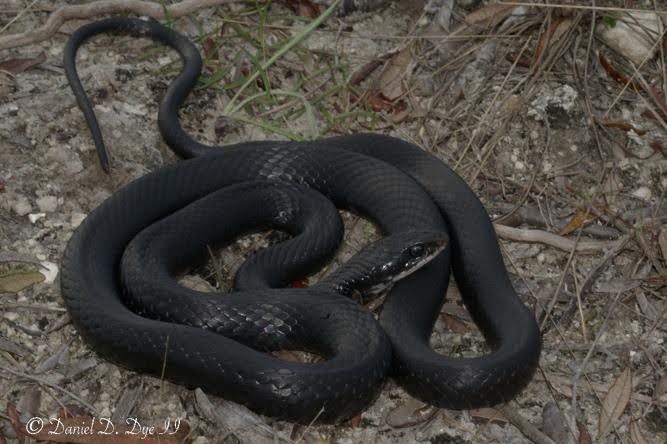
During the Spring season, you may see more snakes than normal due to the end of their brumation period (hibernation-like state), and it’s also the beginning of mating season for some species. If we experience a drought this Spring, many snakes may move nearer to human habitat because of irrigation systems and food availability. This increases the likelihood of human and snake encounters.
Let’s face it, when most people see a snake, they either stay clear of it or figure out a way to kill it. If you stay clear, the snake will more than likely slither away, and you probably will not see it again. Now, if you kill it, which is how many bites occur, here’s something you may want to keep in mind. The snake can still bite even if it has been dead for an hour or so! If it happens to be a venomous snake, this could be a real problem!
Some years ago, a couple of doctors at the Good Samaritan Regional Medical Center in Phoenix treated 34 snake bites in a 10-month period. What amazed them was that five of those bites were from dead rattlesnakes!
One man was bitten when he handled a snake three minutes after he had shot it several times in the head. Another was bitten when he tried to cut off the rattle of the snake, which he shot several times, including once in the head. One patient picked up a snake whose head he had beaten with a piece of wood. Two men were bitten when they picked up a rattlesnake’s head that they had cut from the body. All of the men survived, although one lost a finger.
What these guys didn’t know was a snake’s strike reflex can remain active for 60 minutes or so after they are dead or decapitated. The moral of this story: Do not handle a recently killed snake!
The Arizona doctors reported in an issue of the New England Journal of Medicine, “Young men – particularly while intoxicated – suffer a disproportionate number of ‘illegitimate’ rattlesnake envenomation.” In other words (and this is not news to anyone), guys are more apt to mess with rattlesnakes and get bitten after they’ve been drinking! Here, hold my beer and watch this.
The first aid rule for snakebite have changed over the years. If bitten by a venomous snake and you are near a medical facility, do not try to cut into the bite, suck out the venom, apply ice, or apply a tourniquet. Physicians say any of these self-help methods can make the situation worse. Just stay calm, keep the bitten area lower than your heart and get medical attention immediately.
You may not want to hear this, however, all snakes are beneficial. “No way,” you say. That’s right, many eat insects, rats, mice, worms, toads, frogs, fish, and some like the Indigos and Kingsnakes, eat other snakes, including the venomous ones. They help keep the ecosystem in which they live in a good balance.
One often seen venomous snake in South Florida is the Coral Snake. These are sometimes encountered when one is working in flower beds and gardens, especially if the mulch is several inches deep. It’s always best to wear gloves while gardening. They are very colorful with the red and yellow colors bordering each other. They will always have a black nose.