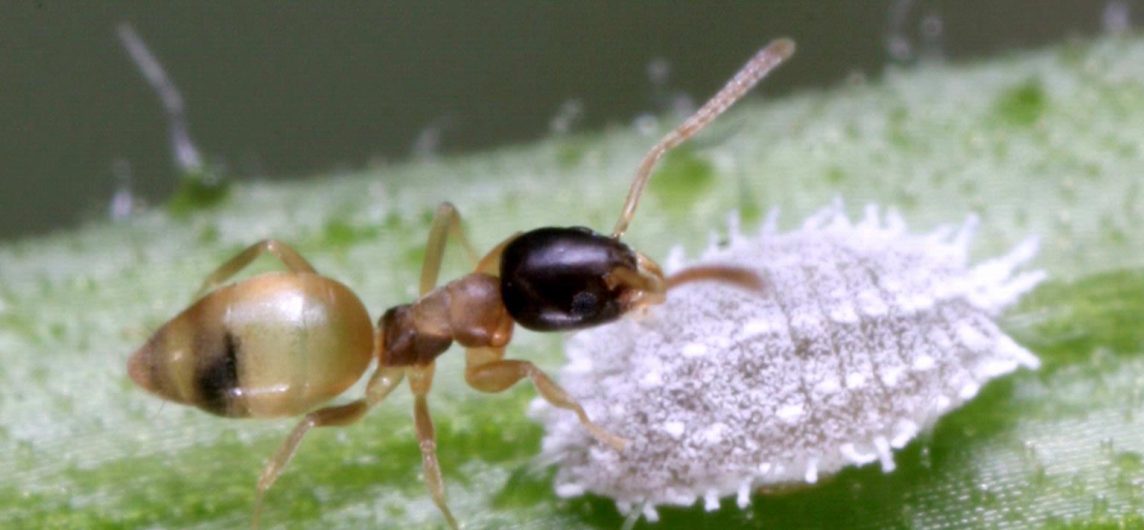
These ants are super small, usually about 1.5 millimeters long. They’ve got dark heads and thoraxes but almost see-through abdomens and legs, which is why they’re called “ghost” ants. Because of their size and color, they can go unnoticed until they’ve fully moved into your cabinets.
In Palm Beach County, especially in coastal towns like Delray Beach and Lake Worth Beach, ghost ants are known for nesting inside wall voids, behind electrical outlets, and even in potted plants. Outdoors, they hang out under mulch, around sprinkler heads, or in shaded corners of patios. Once they get inside, they love moisture-rich areas like bathrooms, kitchens, and laundry rooms.
This is where most homeowners mess up. Spraying something like Raid directly on ghost ants might kill what you see, but it won’t touch the colony. In fact, it could make things worse. Ghost ants are a species that “bud” — meaning when they feel threatened, they break off and form multiple new colonies, often in new locations.
So instead of solving the problem, you could accidentally multiply it.
The pros use non-repellent products like Taurus SC on the exterior and bait gels or ant stations indoors. Non-repellents allow the ants to walk through treated areas, carry it back to the colony, and transfer it to others without alerting the nest. If you live in West Palm Beach, Wellington, or Stuart and you’ve had recurring ghost ant problems, this type of treatment is what really gets long-term control.
If you’re in Palm Beach County, Martin County, or Port St Lucie and you’re spotting tiny ants that seem impossible to trace, you’re probably dealing with ghost ants. The good news is they’re treatable — but only with the right strategy. Don’t just spray and pray. Identify, bait, treat the exterior, and stay consistent.