Florida Carpenter Ant

Camponotus floridanus

Pest Stats

Owl logo

Color

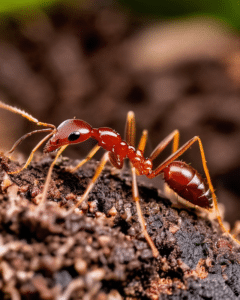
Vary in color from reddish brown head and thorax with a black abdomen.

Owl logo

Size

From 6 to 11 mm, with winged reproductives reaching up to 20 mm, making it one of Florida's largest ants.

Owl logo

Shape

Robust, elongated body with a single-node waist, large mandibles, and long antennae.

Owl logo

Region

Widespread throughout Florida.

What is Florida Carpenter Ant?

Florida Carpenter Ants (Camponotus floridanus) are one of the most common wood-nesting pests found in Florida homes. Although they do not eat wood like termites, Florida carpenter ants excavate galleries inside damp or decaying wood, which can lead to structural damage over time. This ant is a large, reddish-brown and black ant species commonly found throughout Florida and the southeastern United States. While they do not sting, Florida carpenter ants can bite and spray formic acid, causing irritation.

What Do Florida Carpenter Ants Look Like?

The Florida Carpenter Ant is one of over 900 species in the Camponotus genus, known for its ability to excavate nests in wood. These ants do not eat wood but tunnel through damp or decaying wood, often nesting in attics, wall voids, and wooden structures around homes. Some Camponotus species nest in soil or preformed cavities, but Florida carpenter ants are commonly found in trees, logs, and structural voids. They are one of the largest ant species in South Florida, with workers ranging from 6 to 11 mm and winged reproductives reaching up to 20 mm. Their reddish-brown and black coloration makes them easy to spot as they forage or fly indoors and outdoors, especially at night.

Biology of Florida Carpenter Ants

The Florida Carpenter Ant thrives in warm, humid environments, nesting in damp or decaying wood, attics, wall voids, and outdoor structures. Unlike termites, they do not eat wood but hollow it out to create tunnels for their colonies. These ants are most active at night, foraging for sweets, proteins, and other food sources around homes. Florida Carpenter Ant colonies will have only one queen, but will make over a dozen nearby satellite nests. Often the main nest will be in a nearby tree but we will find several satellite nests in the customer’s home. Colonies can grow into the thousands, with winged reproductives swarming in spring and summer, often invading homes. Professional pest control in South Florida is essential to eliminate nests and prevent structural damage caused by these invasive ants.

Behaviors, Dangers and Habits of Florida Carpenter Ants

Florida Carpenter Ants are nocturnal foragers, often seen trailing along walls, ceilings, and outdoor structures in search of sweets and proteins. They establish large colonies in damp or decaying wood, nesting in attics, wall voids, tree stumps, and wooden decks, making homes and businesses in South Florida highly susceptible to infestations. While they do not sting, these ants can bite and spray formic acid, causing skin irritation. Their tunneling weakens wooden structures over time, leading to potential damage if left untreated. According to the University of Florida IFAS Extension, Florida carpenter ants commonly nest in moisture-damaged wood inside structures. Swarms of winged reproductives appear in spring and summer, signaling an active colony nearby. Without proper pest control, these ants can quickly expand their nests, making infestations harder to eliminate.

5 Ways To Prevent Florida Carpenter Ants in Your Yard

These proactive steps will help keep them away, but if you’re still seeing signs of these ants, the professionals at Wise House Pest Control are just a call away.

Eliminate Moisture and Rotting Wood

Florida Carpenter Ants prefer damp, decaying wood for nesting. Fix leaks, improve ventilation in attics and crawl spaces, and remove rotting wood around your home.

Seal Entry Points

These ants can enter through small cracks, gaps in siding, and openings around windows and doors. Use caulk, weather stripping, and sealants to block potential entryways.

Trim Trees and Shrubs

Carpenter ants use branches and overgrown vegetation to access homes. Keep trees, shrubs, and bushes trimmed away from your home’s exterior to prevent easy access.

Store Food Properly and Keep Surfaces Clean

These ants forage for sweets, proteins, and greasy foods. Store food in sealed containers, wipe down counters, and remove crumbs to eliminate food sources.

Use Professional Pest Control

Since these ants can have hidden satellite nests, professional pest control services are the most effective solution for complete elimination.

Need Help Getting Florida Carpenter Ants?

Contact Wise House Pest Control at 561-727-8239 for more information and a free quote on ant control services.

5 Ways To Keep Florida Carpenter Ants Out Of Your Home

Following these tips can help prevent Florida Carpenter Ants from becoming a problem. 

Store Food Properly

Ants are highly attracted to food inside the home. Keep food stored in airtight containers, clean up crumbs or spills immediately, and regularly empty trash bins with food waste.

Clean Regularly

Ants are resourceful and will find even the smallest bits of food. Regularly sweep, and wipe down countertops, especially in the kitchen and dining areas, to remove potential food sources. Pay attention to corners and crevices.

Reduce Moisture

Fix leaks and eliminate damp areas to remove the moisture that Florida Carpenter Ants seek out. Repair dripping faucets, leaky roofs, or poor drainage, and replace any damp or rotting wood.

Don’t Leave Pet Food Out Overnight

If you have pets, avoid leaving their food out overnight. Ants are attracted to pet food, so clean up any leftover food, or place pet dishes in a shallow tray of water to create a barrier.

Our Customers Love Us!

See What They Are Saying

Wise House reviews - 5-star pest control testimonial
“Wise House came highly recommended and they lived up to the accolades. Customer service, professionalisms, punctuality and the use of environmentally friendly products are on point. Dennis and Robert did an amazing job.”


- Michael C.
"Robert the technician that comes out has been great. Since we have a dog and two cats, we like that the products are pet safe. Very pleased!”

- John U
“Dennis was very professional and knowledgeable! I am very happy with Wise House and will now only use them for my pest protection! Five stars all around for Wise House Environmental Services.”

- Benjamin N.
“Robert is an extremely professional and knowledgeable technician. Did a great job inside with the active pests and awesome prevention as well as the outside. Highly recommend this company and especially Robert as the technician!”

- Bob G.
“He surveyed the entire property and used products that I felt would be safe and effective at getting rid of ants and other insects. I would definitely recommend Wise House, especially if you want effective pest control without all the toxins associated wit”

- Aaron C.
Bug-Logo

Dedicated To Being The Pest Control Company You Can Rely On

Request a professional estimate!
Flashlight Inspection Pic
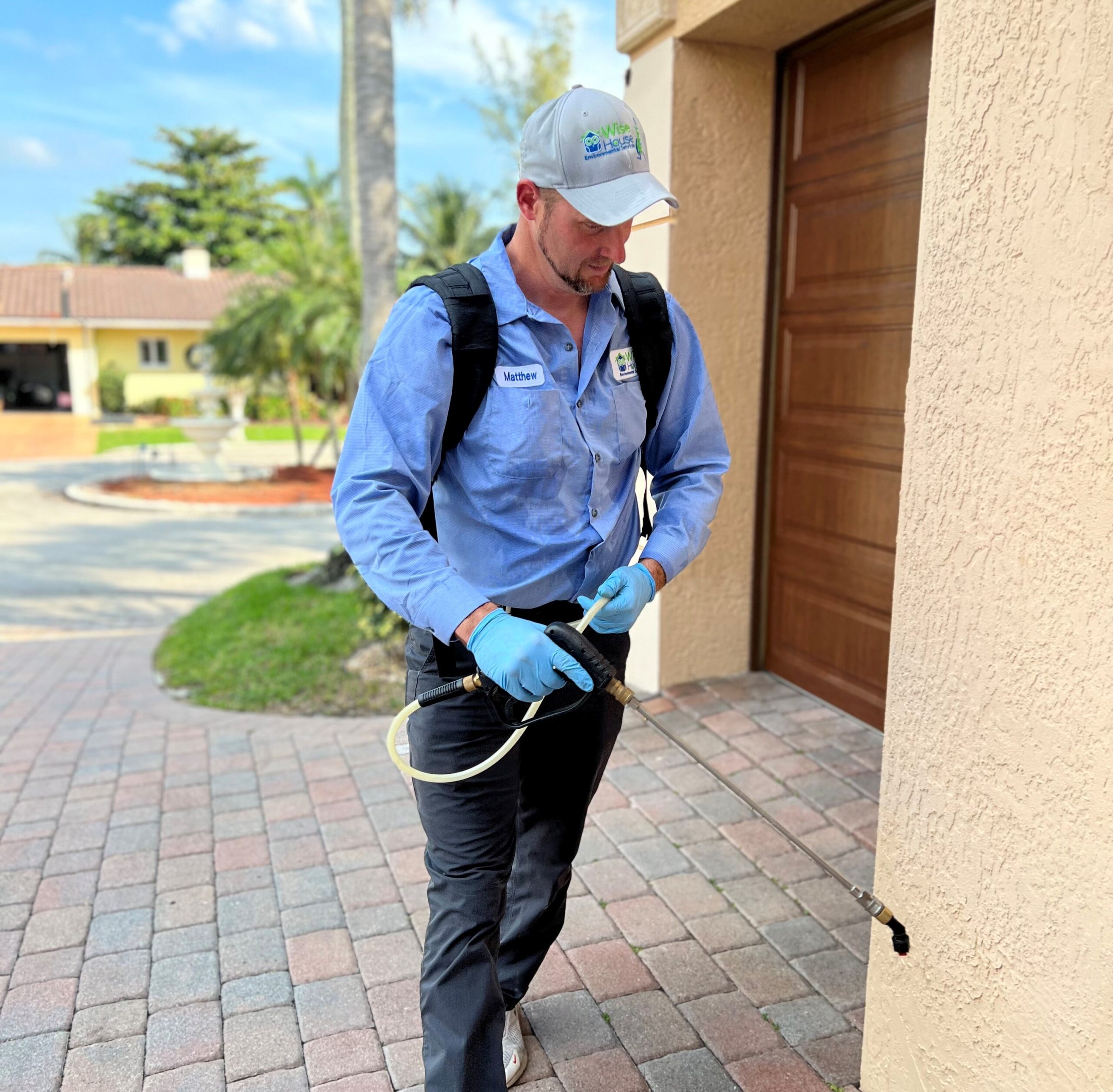
ant control services technician treating home

Request a Profesional Ant Quote!

Get an estimate!

ant control services technician treating home

Have Questions? We've Got Answers

Frequently Asked Questions

Florida carpenter ants do not eat wood, but they excavate damp or decaying wood to build nests. Over time, this can cause structural damage if infestations are left untreated.

Carpenter ants have elbowed antennae, a narrow waist, and larger bodies. Termites have straight antennae, thick waists, and lighter-colored bodies. Carpenter ants also leave wood shavings, while termites leave mud tubes.

They nest in moisture-damaged wood, wall voids, attic beams, window frames, and sometimes outdoors in tree stumps or landscape timbers.

They prefer damp environments. Florida’s humidity and frequent rain create ideal conditions for moisture-damaged wood, which attracts carpenter ants.

Yes, they can bite if handled, but they are not aggressive and rarely bite humans indoors.

Surface sprays may kill visible ants but usually fail to eliminate the nest. Effective control requires locating and treating the nesting site.

Reduce moisture problems, repair wood damage, trim vegetation away from the structure, and schedule professional inspections.

Yes. Professional inspection and targeted treatment are the most reliable ways to eliminate carpenter ant nests and prevent recurring infestations.